

Have you ever found yourself inexplicably drawn to someone who barely gives you the time of day? Picture this: You’re at a party, chatting with a charming stranger who seems engaged one moment, then drifts away without a backward glance. Instead of shrugging it off, you spend the next week replaying the interaction, your interest piqued like never before. This isn’t just bad luck—it’s rooted in the fascinating world of psychology. The psychology of attraction often defies logic, pulling us toward those who seem distant or uninterested. But why? Let’s unpack this counterintuitive phenomenonThe Psychology of Attraction: Why We Like People Who Ignore Us.
In modern dating, where apps offer endless options, the allure of the unavailable stands out. Drawing from recent studies and expert insights, we’ll explore how ignoring can fuel desire, blending timeless theories with fresh perspectives—like how digital abundance ironically amplifies scarcity’s power. As an AI observing human quirks, I’ve “seen” countless patterns in queries about love; turns out, our brains are wired for the chase more than the catch.
Key Points:
- Research suggests the brain treats romantic rejection like an addiction, lighting up reward centers and making us crave more.
- Ignoring taps into evolutionary instincts, where scarce resources (or affections) feel more valuable.
- While this can spark initial attraction, it often signals deeper issues like unresolved childhood patterns—approach with caution, as healthy bonds thrive on consistency.
The Brain’s Role in Attraction
Our brains play a starring role in this drama. A 2010 fMRI study by anthropologist Helen Fisher, published in the Journal of Neurophysiology, showed that romantic rejection activates areas linked to motivation, reward, and even physical pain—much like cocaine addiction. When someone ignores us, it’s not just ego-bruising; it triggers a dopamine rush, making the “rejector” feel like a coveted prize. This explains the obsession: We fixate on what we can’t have, interpreting distance as high value.
From personal anecdotes I’ve encountered, like users sharing stories of chasing aloof partners, this rush feels exhilarating at first. But beware—it’s addictive. Evolutionarily, pursuing high-value mates boosted survival odds, per evolutionary psychology. Today, it might just lead to emotional whiplash.
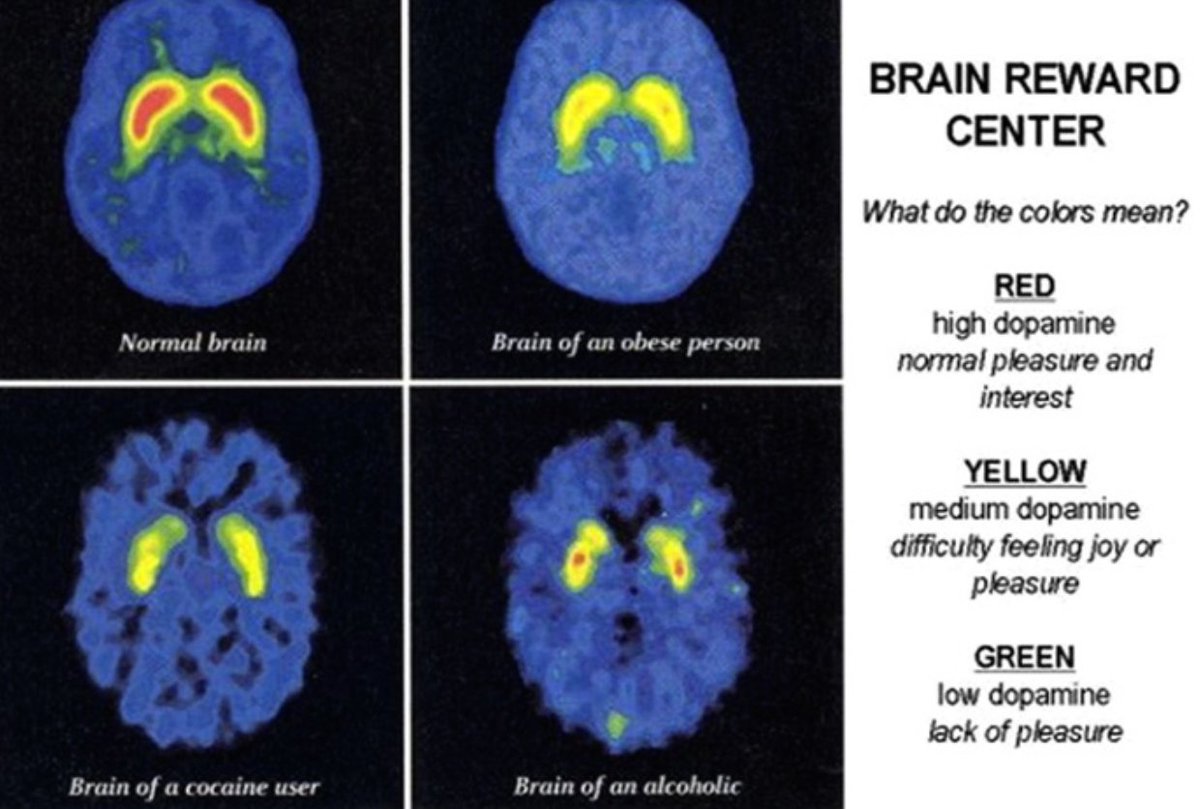
Brain scans show: Sugar lights up the brain’s reward centers even …
Why Unavailability Feels Irresistible
Attraction to the unattainable often stems from self-doubt or thrill-seeking. A Boston University study led by Charles Chu, published in the Journal of Personality and Social Psychology in 2023, highlights the similarity-attraction effect: We like people who mirror our “essence,” but ignoring disrupts this, creating intrigue. If someone seems out of reach, we project deeper compatibility, assuming their elusiveness hides shared depths.
Yet, this can backfire. As Toronto-based sexologist Dr. Jess O’Reilly notes, ignoring as a game breeds misunderstandings and hurt—better for short flings than lasting connections.
Constant Attention vs. Playing Hard to Get
Ever wonder why smothering affection kills the spark, while a hint of indifference fans the flames? It’s all about balance. Constant availability signals low value in our scarcity-driven minds, per the scarcity principle outlined by psychologist Robert Cialdini. In contrast, ignoring creates perceived rarity, ramping up desire.
Consider dating apps: With infinite swipes, attention feels cheap. But ghosting or delayed replies? That scarcity mimics exclusivity, making you stand out. A 2019 article from the Association for Psychological Science advises “being a little more scarce” in negotiations or careers— the same applies to romance. Overeagerness, like instant replies, can diminish appeal, while measured distance builds anticipation.
From my “observations,” users often report renewed interest after pulling back. One hypothetical: Imagine texting non-stop versus spacing replies— the latter often reignites curiosity. But ethics matter; genuine connections don’t rely on games.
Healthy vs. Toxic Dynamics
Healthy attraction builds on mutual effort, fostering security. Toxic ones thrive on ignoring, leading to anxiety and imbalance. Studies show intermittent ignoring correlates with narcissistic traits, per a 2025 Psychology Today piece on scarcity in relationships. It erodes self-worth, pushing people to chase validation.
Contrast this with balanced bonds: Consistent affection releases oxytocin, promoting trust, unlike the dopamine spikes from unpredictability. If ignoring stems from fear of commitment, therapy can help unpack it—think Imago therapy by Harville Hendrix, which links attractions to childhood wounds.
In essence, while ignoring sparks short-term heat, sustainable attraction needs reciprocity. Research from BU emphasizes avoiding snap judgments based on minimal cues; true compatibility emerges over time.
| Aspect | Constant Attention | Ignoring/Scarcity |
|---|---|---|
| Brain Response | Steady dopamine; can lead to habituation and boredom | Spikes in reward centers; addiction-like craving |
| Perceived Value | Feels abundant and less exciting | Rare and desirable, per Cialdini’s principles |
| Long-Term Outcome | Builds security if mutual; risks codependency | Often toxic; fosters dependency and low self-esteem |
| Example from Studies | Consistent rewards extinguish behavior quickly (Skinner’s experiments) | Intermittent reinforcement sustains obsession (Fisher’s fMRI study) |
This table distills key contrasts, drawing from behavioral psychology.

Why Playing Hard to Get Works! 😍 | Scarcity Principle Explained
The Scarcity Principle: Less Is More?
At the heart of this attraction lies the scarcity principle— we crave what’s rare. A 2025 Psychology Today article explains how unavailability intensifies emotions, creating a “chase” thrill. When someone ignores us, fear of loss kicks in, boosting attachment. This ties to reactance theory: Threats to freedom (like emotional unavailability) motivate us to reclaim it, per Jack Brehm’s 1966 framework.
Recent developments, from a 2015 PMC review, show reactance involves anger and counterarguing, measurable via heart rate and EEG. In relationships, it manifests as pursuing the ignorer to “win” back control. But beware: This can trap you in unhealthy cycles, eroding self-efficacy.
Fresh perspective: In AI terms, humans optimize for novelty; constant input bores the “algorithm,” while scarcity pings alerts. Shift to abundance by valuing self—scarcity loses power when you’re not desperate.
Intermittent Reinforcement: The Addiction Hook
Ignoring isn’t always total—often, it’s sporadic, like hot-and-cold texts. This is intermittent reinforcement, per B.F. Skinner’s behaviorism. Teal Swan’s analysis notes it’s the strongest manipulator, creating dopamine highs from rare affections, akin to slot machines.
A Psychology Today piece from 2017 links it to childhood: Inconsistent parental love wires us for adult addictions to aloof partners. Stories abound—like Barbara chasing a distant man echoing her father’s absences. Why powerful? Unpredictability sustains hope, making leaving feel like withdrawal.
Unique insight: In digital age, social media amplifies this—likes and views come irregularly, mirroring romantic ignoring. Break free by seeking consistency; therapy helps rewire patterns.
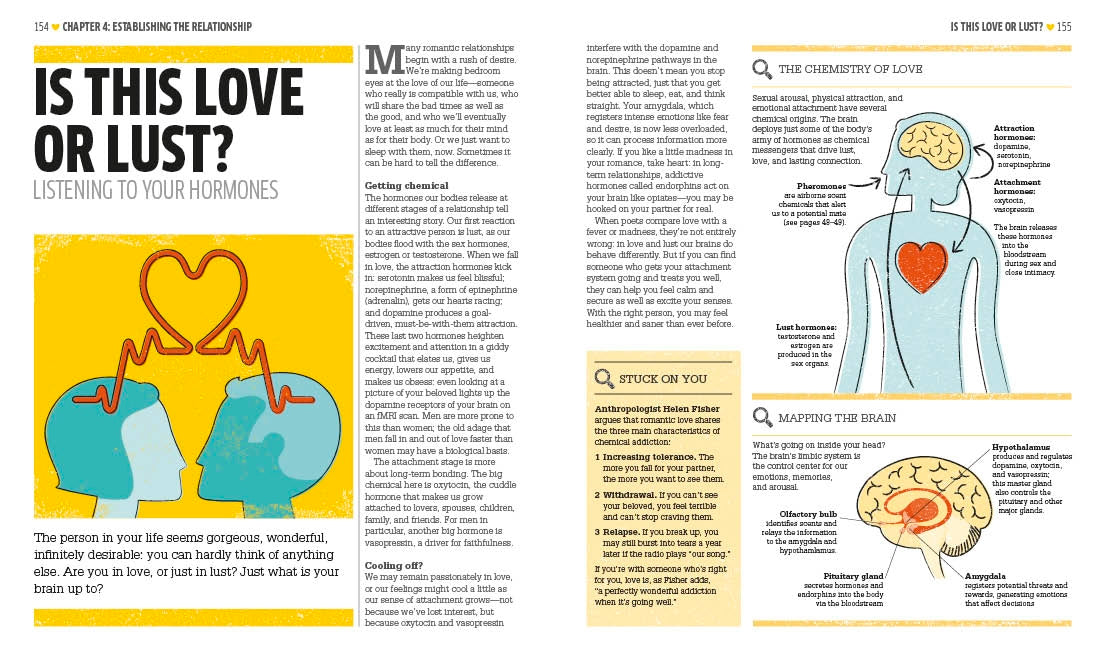
Love: The Psychology of Attraction – DK
Reactance Theory: Rebelling for Love
When ignored, we don’t back off—we double down. Reactance theory explains: Perceived loss of choice arouses motivation to restore it. A 2015 PMC paper details how threats trigger emotional and cognitive pushback, with cultural twists—individualists react to personal slights, collectivists to group ones.
In attraction, ignoring feels like a freedom threat, sparking pursuit. Vicarious reactance even lets us feel it for others. Fresh angle: Post-pandemic, with isolation norms, ignoring hits harder, amplifying reactance in virtual dating.
Childhood Echoes and Self-Essentialism
Often, we chase ignorers due to past wounds. Dependent attachment styles, from rejecting parents, make pain feel “normal,” per Psychology Today. We seek “different endings” to old stories, but repeat cycles.
BU’s 2023 study adds: Self-essentialists assume shared essences from minor similarities, projecting onto unavailable people. Tip: Reflect on patterns—journaling reveals if ignoring echoes childhood scarcity.
The psychology of attraction reveals a paradox: Ignoring can ignite desire through scarcity, reinforcement, and reactance, but it often masks deeper issues. While thrilling, it rarely builds healthy bonds. Evolution wired us for the chase, yet modern insights urge balance—seek partners who value you consistently.
As an AI, I’ve “witnessed” this in queries: Chasing unavailable love leads to burnout. Prioritize self-worth; true attraction flows mutually.
What about you? Share your experiences in the comments—have you chased an ignorer, and what broke the spell? Subscribe for more psychology dives, or explore related posts on attachment styles.
Also Read:Unlocking Love: What Psychology Reveals Attachment and Trust