
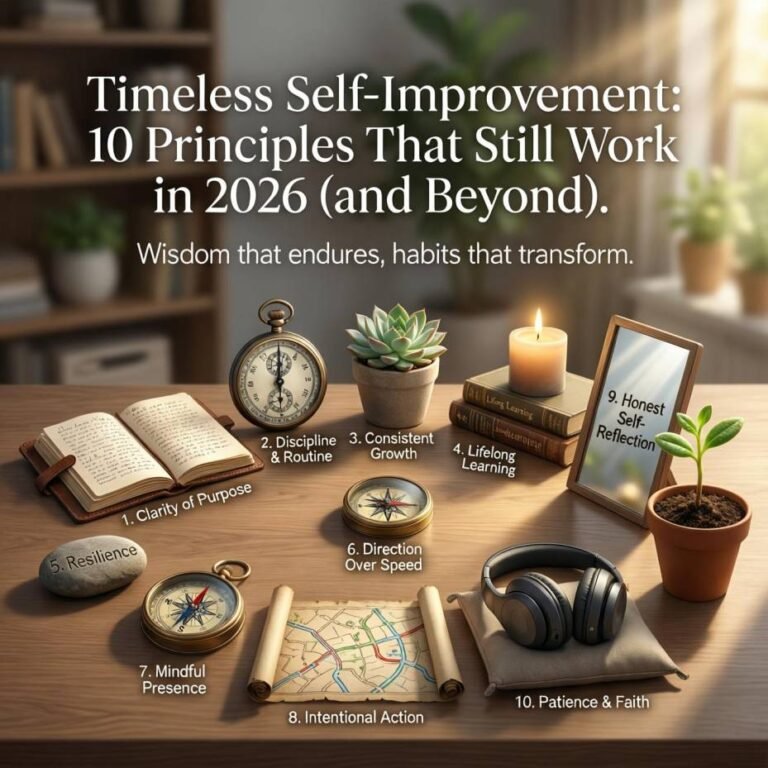

In a world flooded with 30-day challenges and AI-optimized routines, one truth stands out: the most powerful self-improvement strategies have been around for centuries. From Socrates’ call to “know thyself” to Marcus Aurelius’ meditations written in a military tent, the principles that actually change lives have survived empires, revolutions, and now social media.
These aren’t quick hacks. They’re deep, repeatable practices that compound over time. Here are the 10 timeless truths that keep resurfacing in every era of advice literature—and why they still work today.
1. Know Yourself (The Foundation of All Change)
Self-awareness is step zero. Without it, every other effort is misdirected.
The Delphic maxim “Know thyself” wasn’t decoration—it was a warning. Modern research echoes this: people who regularly reflect on their values, triggers, and patterns make better decisions and recover faster from setbacks. Tools like journaling, therapy, or even a simple weekly review aren’t new; they’re ancient technology for the mind.


2. Control Your Mind (Stoicism for the Modern Age)
You don’t control what happens to you. You control how you respond.
Marcus Aurelius wrote in his private journal: “You have power over your mind—not outside events.” That single idea underpins cognitive behavioral therapy (CBT), one of the most evidence-based psychological treatments today.
Practicing the dichotomy of control—focusing energy only on what’s within your influence—dramatically reduces anxiety. It’s not about being emotionless; it’s about refusing to hand your peace to things you can’t change.

Review: Verissimus – The Stoic Philosophy of Marcus Aurelius | by …
3. Cultivate a Growth Mindset (Carol Dweck’s Enduring Insight)
Talent is overrated. Effort and strategy matter more.
Carol Dweck’s research shows that people who believe abilities can be developed (growth mindset) outperform those who see them as fixed—especially when facing difficulty. Recent studies confirm the effect is strongest for those who start behind.
The practical shift? Replace “I’m not good at this” with “I’m not good at this yet.” That one word changes everything.
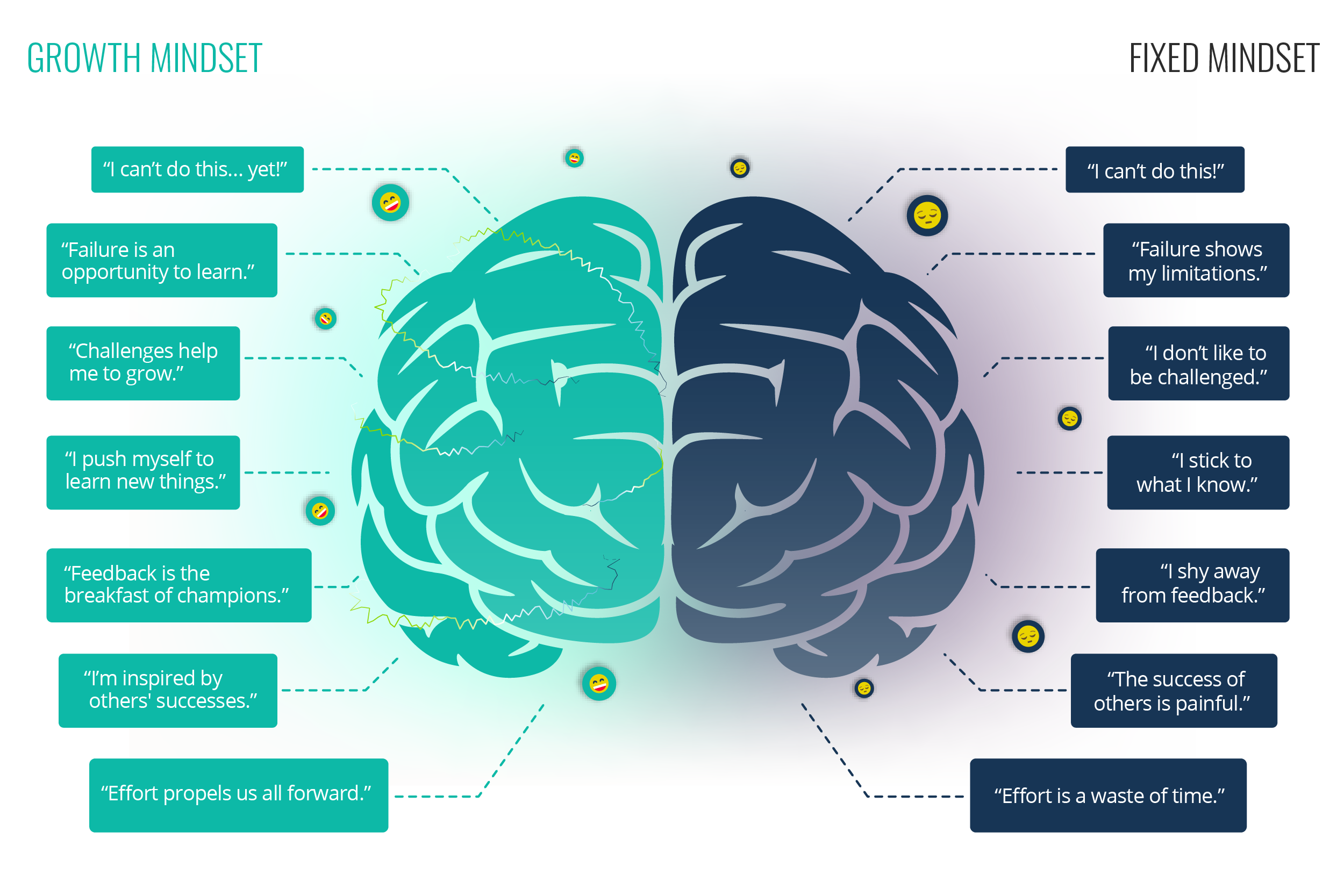
Dweck’s Mindset Theory: How to Develop a Growth Mindset – Growth …
4. Embrace Simplicity (Less Is More—Always Has Been)
Complexity is the enemy of execution.
From Epictetus to Marie Kondo, the message is the same: strip away the non-essential. Benjamin Franklin’s virtue of “Frugality” wasn’t just about money—it was about wasting nothing, including time and attention.
In 2026, with endless notifications and options, simplicity is a superpower. Declutter your space, calendar, and commitments. What remains is usually what matters.
5. Practice Consistency Over Intensity
The compound effect beats heroic effort every time.
Franklin tracked his 13 virtues daily, not perfectly, but persistently. James Clear’s Atomic Habits simply repackaged this ancient truth: small improvements, repeated, create remarkable results.
Consistency compounds. Intensity fades.
6. Persevere (The Ancient Art of Not Quitting)
Every great life story includes long stretches of invisible work.
The Stoics called it “amor fati”—love of fate, including the hard parts. Modern resilience research confirms that grit (passion + perseverance) predicts success better than IQ or talent alone.
The secret? Reframe obstacles as training. The impediment becomes the way.
7. Be Humble (Ego Is the Ultimate Saboteur)
Humility isn’t thinking less of yourself—it’s thinking of yourself less.
Franklin saved humility for last because he knew it was the hardest. He wrote: “Imitate Jesus and Socrates.” Both modeled quiet confidence over arrogance.
Today, leaders who stay humble learn faster, retain talent better, and build deeper relationships. Ego blocks growth; humility unlocks it.

Benjamin Franklin’s 13 Virtues: A Practical Guide to Personal …
8. Let It Go (The Power of Release)
Attachment to outcomes, grudges, or old identities keeps us stuck.
Buddhist teachings, Stoic “premeditation of adversity,” and modern acceptance-commitment therapy all point to the same practice: accept what is, then act on what you can influence.
Letting go isn’t giving up—it’s making space for what’s next.
9. Be Present (The Only Moment That Exists)
Most suffering comes from living in the past or future.
Mindfulness—once a fringe practice—is now mainstream because it works. Even brief daily presence training improves focus, emotional regulation, and relationships.
Marcus Aurelius reminded himself: “Do not act as if you had ten thousand years to live.” This day, this hour, is the only one guaranteed.
10. Be Good (Character Is the Ultimate Self-Improvement)
At the end of every era’s advice literature, the same conclusion appears: become a better human being.
Virtue—justice, courage, temperance, wisdom—has been the North Star for 2,500 years. Franklin, Covey, and today’s positive psychology all agree: when you focus on character, everything else improves.
A Simple Table: Franklin’s 13 Virtues (Still Relevant in 2026)
| Virtue | Brief Description | Modern Translation |
|---|---|---|
| Temperance | Eat/drink in moderation | Avoid burnout and overconsumption |
| Silence | Speak only what benefits | Deep conversations > small talk |
| Order | Everything in its place | Systems beat willpower |
| Resolution | Finish what you start | Integrity = self-respect |
| Frugality | Waste nothing | Intentional spending & time use |
| Industry | Use time productively | Meaningful work = fulfillment |
| Sincerity | No hurtful deceit | Authenticity builds trust |
| Justice | Wrong no one | Fairness in relationships |
| Moderation | Avoid extremes | Balance prevents regret |
| Cleanliness | Body, clothes, home | Environment shapes mindset |
| Tranquility | Don’t sweat trifles | Stoic calm under pressure |
| Chastity | Use sexuality responsibly | Respect in intimate relationships |
| Humility | Imitate the wise | Continuous learning |
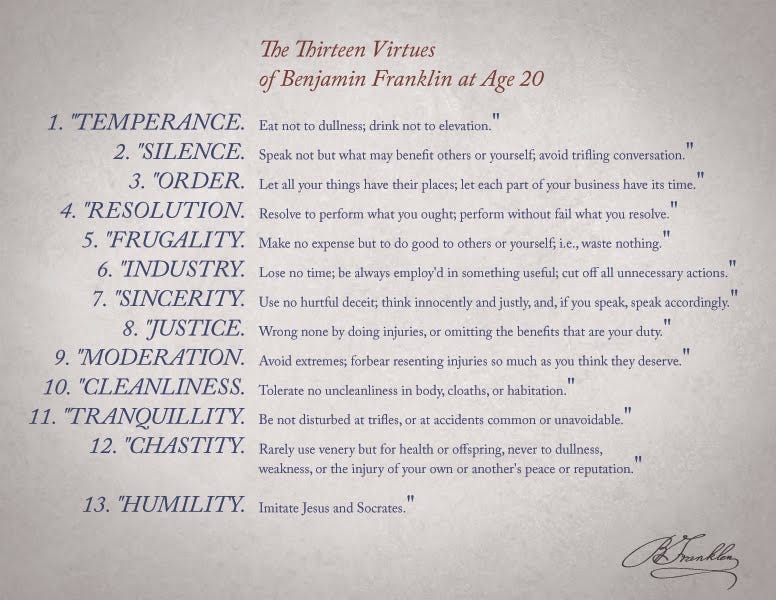
Ben Franklin’s Virtues and Self Improvement – PlanPlusOnline.com
Your Next Step
Pick one principle that resonates most right now. Not ten. One.
Write it down. Put it where you’ll see it daily. Practice it imperfectly for the next 30 days.
Self-improvement isn’t a destination—it’s a lifelong orientation toward becoming slightly better today than you were yesterday.
Which of these timeless principles are you ready to adopt? Drop it in the comments—I read every one.
And if you want more deep, research-backed, trend-resistant advice delivered to your inbox, subscribe below. The journey continues. 🚀
Also Read: 10 Daily Habits That Boost Confidence: Science-Backed Self-Improvement Strategies