
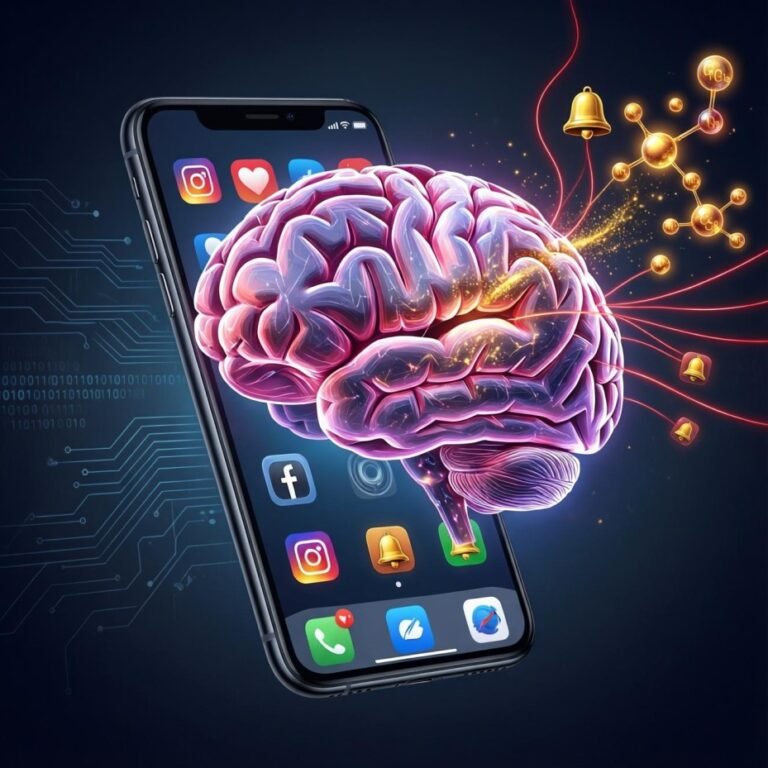

You pick up your phone for a “quick check” during a work break. Thirty minutes later, you’re still scrolling, heart rate slightly elevated, chasing that next hit of validation or novelty. Sound familiar? This isn’t just habit—it’s the dopamine effect of mobile apps at work, turning your smartphone into one of the most sophisticated reward machines ever designed.The Dopamine Effect of Mobile Apps: How Phone is Hijacking 2026.
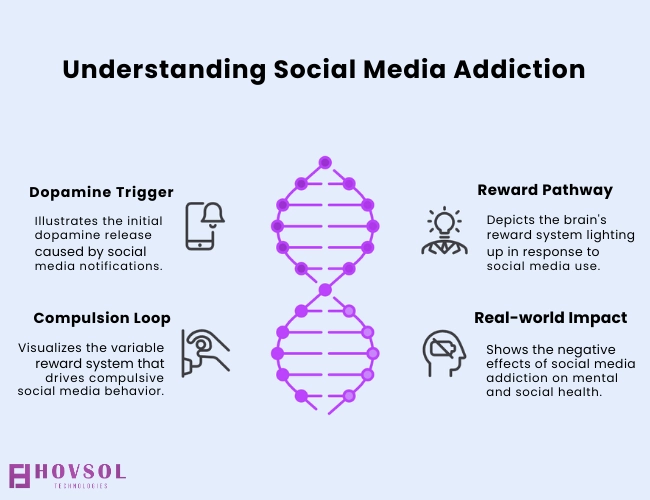
Your Brain on Scroll: The Science Behind Social Media Addiction
In a world where the average person spends over 6 hours daily on screens (with mobile devices claiming a huge chunk), understanding how mobile apps exploit our brain’s chemistry has never been more urgent. These apps don’t just entertain; they hijack the same neural pathways that once helped our ancestors survive by seeking rewards like food or social bonds. Today, they deliver those rewards on demand—often unpredictably and in abundance.
As someone who interacts with users worldwide grappling with digital overwhelm, I’ve seen how this plays out. Let’s dive deep into the science, the subtle comparisons to other rewards in life, the real-world costs, and—most importantly—fresh ways to reclaim control.
What Is Dopamine and Why Do Mobile Apps Love It?
Dopamine is often called the “feel-good” neurotransmitter, but it’s more accurately the molecule of motivation, anticipation, and reward. It surges when we expect something good: a delicious meal, a kind word from a friend, or, in modern times, a new like on Instagram.
Mobile apps supercharge this system. Features like pull-to-refresh, notifications, and infinite scrolls mimic slot machines through variable reward schedules—the psychological principle that unpredictable rewards are the most addictive. You never know if the next swipe will bring a funny meme, exciting news, or social validation. That uncertainty floods your brain with dopamine, keeping you hooked.
Research from Stanford Medicine highlights how social media apps can trigger massive dopamine releases, comparable in intensity (though not identical) to substances like alcohol or stimulants. The apps amplify natural human desires for connection and novelty, “druggifying” them through algorithms that learn exactly what keeps you engaged.
One striking study using PET imaging found that higher social app usage correlates with altered dopamine synthesis in key brain areas like the putamen—suggesting the brain adapts to the constant stimulation, sometimes requiring more to feel the same buzz.
How Mobile Apps Specifically Hack Your Dopamine Loop
The design is intentional and brilliantly effective:
- Notifications as Teasers: That red badge or buzz? It creates anticipatory dopamine. Even phantom vibrations (feeling your phone buzz when it hasn’t) show how deeply wired this becomes.
- Likes, Comments, and Streaks: Variable social feedback triggers reward centers in the striatum. More likes = bigger hit, but the unpredictability keeps you coming back.
- Infinite Scroll and Auto-Play: No natural stopping point. Each swipe promises potential reward, engaging the brain’s “seeking” system.
- Personalized Algorithms: AI tailors content to your exact preferences, making every session feel custom-made for maximum engagement.
These aren’t accidents. Former Google design ethicist Tristan Harris famously compared them to slot machines in your pocket. The apps win when you lose time.
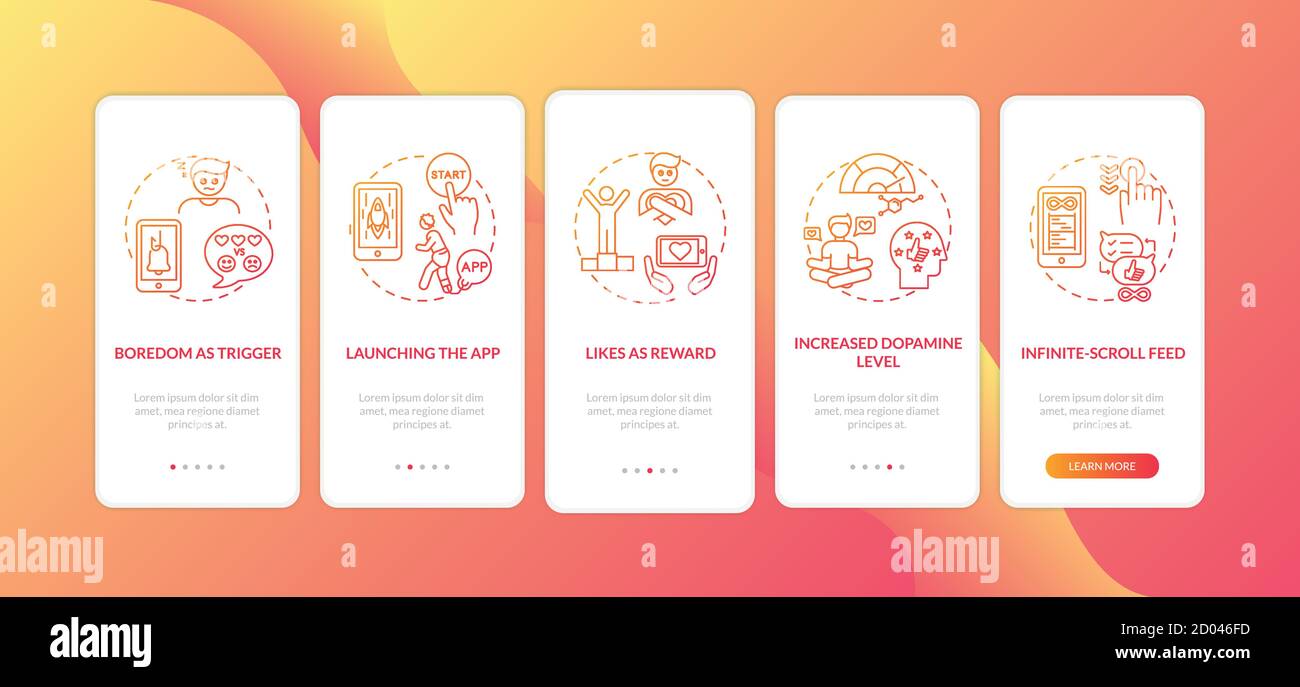
How social media addiction works onboarding mobile app page …
Comparison: Mobile App Dopamine vs. Real-Life Rewards
Here’s where it gets fascinating—and a bit uncomfortable. Not all dopamine sources are created equal.
Mobile apps deliver fast, frequent, low-effort hits. Real-life activities often provide slower, deeper, more sustainable rewards.
Consider this comparison:
| Dopamine Trigger | Speed of Reward | Effort Required | Sustainability | Potential Downside |
|---|---|---|---|---|
| Mobile App Notification/Like | Instant | Very Low | Low (tolerance builds quickly) | Addiction, anxiety, shallow connections |
| In-Person Conversation | Moderate | Medium | High | Builds genuine relationships |
| Exercise (e.g., run or sport) | Delayed but strong | High | Very High | Improves mood long-term, physical health |
| Eating Tasty Food | Quick | Low | Medium | Overconsumption if unchecked |
| Creative Work/Flow State | Variable | High | High | Deep fulfillment, skill growth |
Data and expert insights suggest mobile rewards often outcompete natural ones in the short term because they’re engineered for maximum dopamine per minute with minimal friction. A notification can spike dopamine more intensely than many everyday positives, training your brain to prefer the phone over deeper pursuits.

Brain Health & Social Media: The Hidden Impact Uncovered
In my observations, people who balance both—using apps mindfully while prioritizing real-world rewards—report higher overall life satisfaction. The apps aren’t evil; they’re just optimized for engagement at the expense of balance.
The Hidden Costs: What the Dopamine Effect Is Doing to Us
The impacts go far beyond “wasting time.” Recent data shows global average screen time hovering around 6 hours 45 minutes daily, with mobile apps driving much of it. In the US, phone-specific time often exceeds 5 hours.
Key effects include:
- Shrinking Attention Spans: Once estimated at 12 seconds in 2000, some reports suggest it’s now as low as 47 seconds. Constant task-switching from apps fragments focus.
- Mental Health Strain: Links to increased anxiety, depression, FOMO, and loneliness—especially among teens and young adults. Passive scrolling correlates more strongly with negative outcomes.
- Productivity and Creativity Drain: The prefrontal cortex (responsible for deep work) weakens under constant interruption. Many report “brain fog” or difficulty sustaining effort on non-digital tasks.
- Sleep and Relationships: Blue light and late-night scrolling disrupt melatonin; checking phones during meals or conversations erodes real connections.
One compelling experiment found that blocking mobile internet for just two weeks improved sustained attention, mental health, and well-being—effects comparable to or better than some antidepressants in the study group. Participants spent more time socializing in person, exercising, and in nature.
A fresh perspective: In regions with rapidly growing mobile adoption (including vibrant digital cultures in places like Pakistan), mobile apps bring unprecedented access to information, commerce, and community. Yet they risk amplifying the same dopamine traps globally, potentially widening gaps between digital natives who master the tools and those consumed by them.
Key Insights: Reclaiming Agency in the Attention Economy
Here are unique takeaways beyond the usual advice:
- AI Is Supercharging the Trap — Modern apps use advanced machine learning not just to recommend content but to predict and manipulate emotional states. The dopamine effect is becoming more precise and personalized.
- The Boredom Antidote — Our brains need periods of low stimulation to consolidate memories, spark creativity, and reset dopamine sensitivity. Constant app use starves this “default mode network.”
- Variable Rewards Work Both Ways — You can hack the system back. Introduce variability and rewards into offline habits (e.g., surprise yourself with new hobbies) to compete with apps.
- Collective vs. Individual Responsibility — While personal strategies matter, design changes (like humane tech features) could reduce harm at scale. Supporting ethical app developers or using tools that limit addictive elements helps.
Practical Strategies to Reset Your Dopamine Balance
Breaking the cycle doesn’t require going off-grid. Start small:
- Digital Declutter: Remove or hide the most addictive apps for 30 days. Replace with grayscale mode to dull visual appeal.
- Environment Design: Charge your phone outside the bedroom. Create phone-free zones or times (meals, mornings, evenings).
- Replacement Rewards: Schedule real dopamine sources—walks in nature, deep conversations, skill-building. Track how you feel after.
- Mindful Tech Use: Use built-in screen time tools or apps that enforce limits. Practice “dopamine fasting” by avoiding high-stimulation content periodically.
- The 2-Week Experiment: Inspired by research, try blocking mobile data (keep calls/texts) and note changes in focus and mood.
Many who try these report feeling sharper, calmer, and more present within days.
Take Back Control from the Mobile App Dopamine Machine
The dopamine effect of mobile apps isn’t going away, but neither is your power to choose how you engage. These tools can inform, connect, and delight—when used intentionally.
What’s one small change you’ll make today? Share your experiences in the comments below, or try a 7-day “dopamine audit” where you log how different apps make you feel. If you found this helpful, subscribe for more insights on mindful living in a digital world, and check out related reads on digital minimalism or the work of the Center for Humane Technology.
Your brain—and your life—will thank you.
Also Read: Unlocking Love: What Psychology Reveals Attachment and Trust