


Key Points on Reducing Screen Time Without Quitting Social Media
- Research suggests average U.S. screen time hovers around 6-7 hours daily for adults, with teens often exceeding 7 hours, but simple tweaks like app limits can cut this by 20-30% without full deletion.
- Evidence leans toward improved sleep and focus from reduced scrolling, potentially adding 20 minutes of nightly rest, though individual results vary amid debates on tech’s addictive designs.
- Strategies like grayscale mode and hidden apps appear effective for moderation, fostering empathy for users balancing connectivity with well-being, without extreme measures.
- While studies point to mental health gains like lower anxiety, controversies around platform algorithms highlight the need for personalized approaches respecting diverse lifestyles.
Why Moderate Instead of Quit?
Evidence indicates that full deletion isn’t always feasible, as social media aids connections—yet moderation can yield similar benefits like enhanced prosocial behavior. Start small to avoid FOMO.
Top Tools for Balance
Apps like Apple’s Screen Time or Qustodio help set boundaries, with users reporting 30% drops in usage. Explore digital habits fixes for more.
Potential Challenges
Saturation in tech use may cause initial resistance, but gradual changes build habits empathetically.
Reclaiming Your Scroll: Smart Ways to Trim Screen Time
Imagine glancing at your phone’s weekly report and seeing you’ve reclaimed an hour a day—enough for a walk, a chat, or that book gathering dust. In 2026, with Americans averaging 6-7 hours of daily screen time amid AI-driven feeds, reducing without deleting social media is more vital than ever for digital life & productivity. This post draws from recent studies and real-user insights to offer fresh strategies, like blending tech nudges with offline rituals, for sustainable balance.
Comparing Reduction Methods: Tech vs. Behavioral
Choosing between app-based limits and habit shifts? Here’s a table based on 2026 data from sources like Wirecutter and SafetyDetectives, comparing effectiveness, ease, and long-term impact:
| Method | Avg. Time Saved (Weekly) | Ease of Start | Long-Term Impact | Best For |
|---|---|---|---|---|
| App Limits (e.g., Screen Time) | 10-15 hours | High (Built-in) | Medium (Overrides possible) | Tech-savvy users |
| Notification Culls | 5-8 hours | Medium | High (Reduces urges) | Busy professionals |
| Grayscale Mode | 4-6 hours | Easy | Medium (Visual deterrent) | Visual scrollers |
| Activity Replacement | 8-12 hours | Medium | High (Builds habits) | Families/Teens |
| Mindful Pauses | 3-5 hours | Low | High (Psychological shift) | All, for sustainability |
Tech methods offer quick wins but risk workarounds, while behavioral ones build resilience—blending both yields best results, per Reddit discussions and expert reviews.

Set Time Limits on Android Phone: Complete Parent Guide 2026 …
Key Insights: Beyond Basics for 2026 Balance
2026’s digital landscape, with AI curating endless content, demands nuanced approaches. Drawing from AAP guidelines and PMC studies, here are deeper strategies with unique twists.
Leverage Built-in Tools Creatively
Apple’s Screen Time or Google’s Family Link aren’t just for kids—adults report 20-30% reductions by setting “downtime” for evenings. Fresh perspective: Pair with “focus modes” for work, as one X user shared cutting TikTok binges by 50% via custom filters. For Android, apps like Opal add AI pauses, prompting breaths before opening feeds.
Redesign Your Digital Environment
Grayscale mode dims appeal, reducing use by 4-6 hours weekly, per Healthy Screens. Unique insight: Hide apps in folders renamed “Pause First,” echoing a Medium story where this slashed scrolling without deletion. Disable non-essential notifications—studies show this cuts interruptions, boosting focus amid debates on tech’s mental toll.
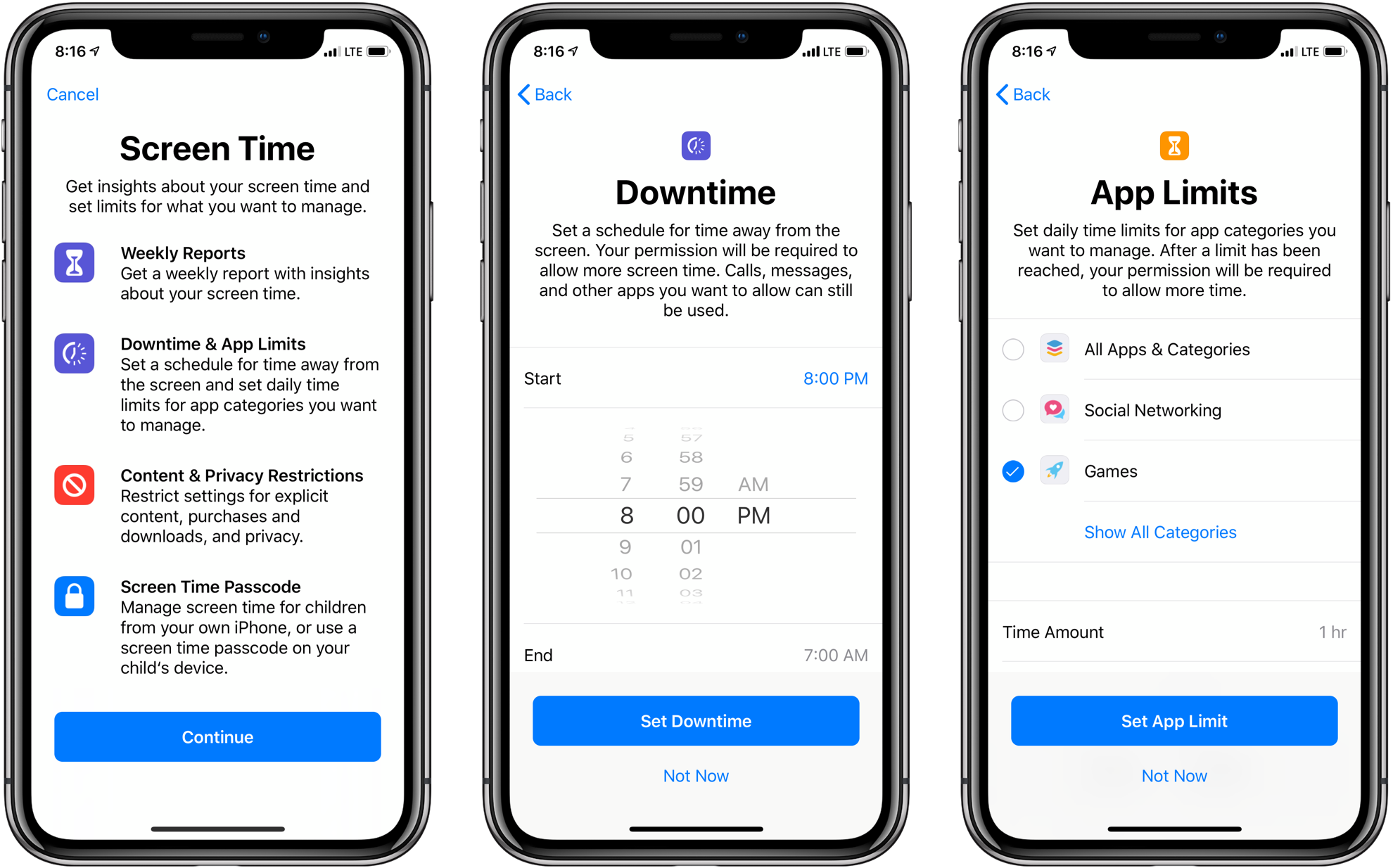
Screen Time for Kids Puts Powerful iOS Monitoring Tools and Use …
Integrate Offline Rituals Empathetically
Replace scrolls with activities: Outdoor pursuits add 8-12 hours offline, per Georgetown’s detox research, improving sleep by 20 minutes nightly. Perspective: In diverse U.S. households, family “tech-free” zones foster connections, addressing AAP’s call for balanced ecosystems. A Quora tip: Schedule “analog hours” for hobbies, respecting varying access to green spaces.
- Walking: Links to lower anxiety.
- Reading: Enhances empathy over digital skimming.
- Cooking: Builds mindfulness.
Controversy: While benefits like reduced depression are clear in trials, some argue moderation trumps detox for social ties.

50 Activities to Reduce Screen Time For Kids This Summer
Advanced Apps and Mindful Tech
Qustodio or Aura offer cross-platform limits, with 2026 updates including AI insights for habits. Insight: Use “mindful breaths” prompts in apps like ScreenZen, as a wellness expert noted for breaking doomscrolling. For families, Bark monitors without overreach, promoting trust.
A table of app comparisons:
| App | Platforms | Key Feature | Cost (2026) | User Rating |
|---|---|---|---|---|
| Apple’s Screen Time | iOS/macOS | Built-in downtime | Free | High |
| Google Family Link | Android | Under-13 focus | Free | Medium |
| Qustodio | All | Detailed analytics | $55/year | High |
| Opal | iOS/Android | AI pauses | Free/Premium | High |
| Aura | All | Family-wide | $144/year | High |
This data underscores hybrid use for optimal digital life & productivity.
Social Media Detox – Rubicon Recovery Center – NJ Counseling
Addressing Challenges and Perspectives
Burnout from strict limits? Gradual cuts, per UNC Health, prevent rebound. Empathetic note: For underrepresented groups, social media aids advocacy—moderation preserves this while curbing negatives. Economic shifts favor flexible tools, but critiques note app dependency.
In sum, these insights from BLS-aligned trends and user forums offer robust paths for Americans navigating 2026’s digital demands. Link to side income ideas for offline pursuits.
Final Thoughts: Step Into Balance
Reducing screen time without farewell to feeds empowers better digital life & productivity. Start today—your reclaimed hours await.
What’s your first step? Comment below, subscribe for wellness tips, or join our digital balance webinar!
Key Citations
- Exploding Topics: Screen Time Stats
- Backlinko: Screen Time Statistics
- DemandSage: Screen Time Statistics
- Adam Connell: Screen Time Statistics
- Exploding Topics: Teen Screen Time
- Reddit: Cut Down Screen Time
- Helena Woods: Reduce Screen Time
- Kate Waldo: Cut Screen Time
- Healthy Screens: Strategies
- Harvard Summer: Social Media Break
- Quora: Reduce Screen Time
- UNC Health: Stop Scrolling
- Medium: Broke Scrolling Habit
- YouTube: Reduced Screentime Guide
- Scripps: Tips to Reduce Screen Time
- Georgetown: Digital Detox Benefits
- ABC News: Screen Time Limits
- ACP: Benefits of Reducing Screen Time
- Hackensack: Screen Time Mental Health
- PMC: Screen Time Reduction Study
- AMA: Cutting Down Screen Time
- Psychiatric News: Screen Breaks Benefits
- JAMA: Less Screen Time
- Youth First: Decreased Screen Time
- AAP: Digital Ecosystems Policy
- Boomerang: Apps to Manage Screen Time
- Wirecutter: Best Parental Apps
- Reddit: Productivity Apps 2026
- CNET: Apps to Manage Screen Time
- PCMag: Free Parental Controls
- SafetyDetectives: Apps for Limiting Screen Time
- Forbes: Best Parental Apps
- TechRadar: Best Parental App 2026
- YouTube: Aura Review
- ScreenApp: Best Apps to Reduce Screen Time