


Why this match matters (Sports)
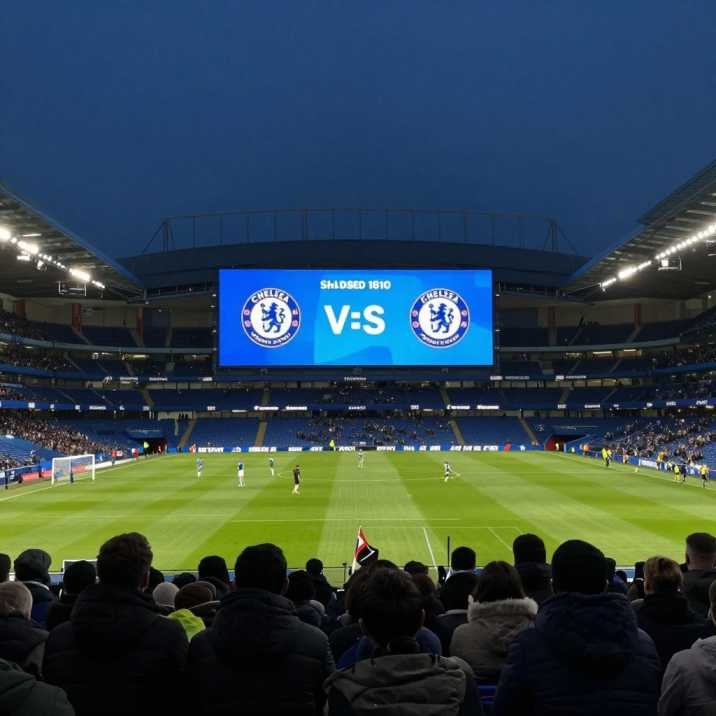
There’s something about a late-winter evening at Stamford Bridge that still feels electric: the lights, the distant hum of Fulham Road, and a crowd that expects drama. In the modern Premier League era, Chelsea vs West Ham is rarely just three points — it’s tactical chess, flashes of individual brilliance, and the fans’ stories stitched into every tackle. If you care about Sports, this fixture is a great case study in momentum swings, club identity, and how a ground the size of the Bridge can still feel like a pressure cooker.
What happened recently
In a dramatic top-flight meeting at the Bridge on 31 January 2026, Chelsea produced a stoppage-time recovery to beat West Ham 3–2 after trailing 2–0 at halftime. The comeback — capped by a late winner — underlined Chelsea’s resilience at home and West Ham’s counter-attacking threat when given space.
Context: the competition and the ground
Premier League context
Both sides met in the hectic environment of England’s top flight where small tactical edges and psychological moments often decide outcomes. This fixture has carried extra weight in seasons where European places and mid-table stability are on the line. (See the official match overview for the lineup and sequence of events.)
About the Bridge
Stamford Bridge remains one of English football’s oldest homes (opened 1877) and, despite being comparatively compact (capacity ~41k), it’s historically significant and intense to play in. Its tight seating and short distance from stands to pitch concentrate crowd noise — a clear advantage for the home side if they handle the psychological pressure.
Tactical comparison — How the two teams approach the game
Below I unpack how each team typically lines up and how that shapes their clashes at the Bridge.
Chelsea (the Blues)
- Usually builds from the back with a preference for ball progression through central midfield and overlapping full-backs.
- Favours possession dominance but has struggled in matches where West Ham drop deep and hit on transitions.
- Strengths: technical midfielders, creative wide players, home support pressuring opponents into mistakes.
West Ham (the Hammers)
- Often set up to be compact defensively and exploit spaces on the counter, especially with runners from deep or wide crosses.
- Strengths: directness, aerial threats on set-pieces, and quick breaks that punish high defensive lines.
Tactical takeaway
When Chelsea over-commits forward to break down West Ham’s block, they invite rapid counters — which is precisely how West Ham grabbed their two goals in the recent Bridge fixture. Conversely, when Chelsea control tempo and reduce turnovers, they can force West Ham to chase and create vulnerabilities. The match on 31 January showed both patterns in a microcosm: early West Ham efficiency, Chelsea’s halftime regrouping, and late-game positional adjustments that swung the result.
Data table — quick at-a-glance comparison
| Aspect | The Blues (Home) | The Hammers (Away at Bridge) |
|---|---|---|
| Recent head-to-head (PL) | Often dominant at the Bridge in recent years | Only one away league win at the Bridge in many visits (notable difficulty) |
| Stadium capacity | ~41,312 (intense atmosphere) | Same (away fans section smaller) |
| Tactical style | Possession & build-up | Compact defense + counter |
| Typical threat | Creative midfielders, wing overloads | Strikers on second balls and set-pieces |
| Key vulnerability | Susceptible to counters if full-backs high | Can be overrun if pressed high for long periods |
(Head-to-head context and visit history summarized from club and stats sources.)
Key insights & fresh angles
- Small stadium, big psychological swings. Stamford Bridge’s relatively compact bowl means home momentum can flip fast. A committed 60-minute press can force errors that lead directly to goals; conversely, a few misplaced passes near the defensive third are punished instantly by teams who specialise in transition play.
- Substitutions are match-defining. The January clash showed how timely changes — fresh legs and tactical tweaks — can overturn a deficit. Watching managerial reaction-time and the nature of substitutes (wingers vs stabilizing midfielders) often predicts the final phase of the game.
- The fault line: full-back spaces. Both teams have been exposed down the flanks at times; the team that better balances overlapping runs with defensive cover gains consistent advantage. Against West Ham’s counters, controlling the half-spaces is critical.
- Set-pieces as swing factors. When open-play chances are rare, dead-ball routines become decisive. West Ham’s physical profiles make set-piece defence a crucial area for Chelsea to shore up — and vice versa.
- Momentum beyond the 90 minutes. Crowd influence extends to refereeing moments and player confidence. Late goals appear more often at grounds where noise and pressure are dense; the Bridge is such a place. Recent data from the season shows dramatic late results linked to higher home attendance percentages.
Practical tips for fans attending the Bridge
- Arrive early to soak in the pre-match atmosphere on Fulham Road; local pubs and fan zones build the pre-game narrative.
- For those watching tactically: focus on the first 15 minutes after halftime — managers often change shape then and it’s where you’ll see whether the away side can keep their structure.
- Pack for a tight crowd: short trips to the concourse between halves are quicker than you expect.
Internal & external linking recommendations (for SEO & UX)
- Internally link to: a page on “Chelsea tactical analysis”, a “Stamford Bridge visitor guide”, and a “West Ham counter-attack profile” — these will reduce bounce rate and improve topical authority.
- Externally link to: official match reports and statistics (Premier League match page), club history pages for Stamford Bridge, and tactical analyses from trusted outlets. (Examples used in this post include the official match overview and stadium history.)
Conclusion — A Bridge that keeps delivering drama
Chelsea vs West Ham at Stamford Bridge remains one of those fixtures that refuses to be predictable. It’s a tactical contest shaped by stadium psychology, managerial decisions, and small statistical edges — and that’s exactly why fans of Sports should keep watching. Whether you’re there for the noise, the tactical chess, or the late goals, the Bridge rarely disappoints.
Also Read: moussa-diarra-the-quiet-rise-of-a-modern-defender