
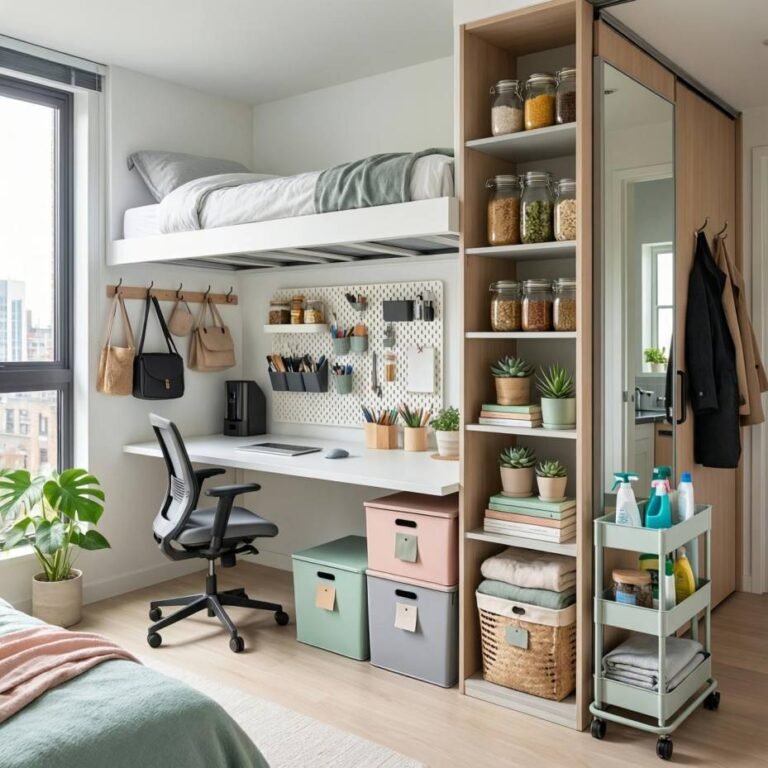

why small-space organization is a Lifestyle game-changer
If your apartment feels like it’s shrinking while your stuff keeps multiplying, you’re not alone. Small-space organization isn’t just about squeezing boxes into closets — it’s a Lifestyle shift that changes how you buy, store, and live. Think less clutter stress, more usable surfaces, and design choices that make everyday life easier (and prettier).
Quick comparison: Which hack fits your space?
| Hack | Best for | Cost | Ease of implementation |
|---|---|---|---|
| Vertical wall storage (shelves, pegs) | Studios, lofts | Low–Medium | Easy |
| Under-bed containers | Bedrooms with clearance | Low | Very easy |
| Multi-use furniture (sofa beds, ottomans) | Living rooms / guest setups | Medium–High | Medium |
| Door & back-of-door organizers | Bathrooms, closets | Low | Very easy |
| Modular cube systems (shelves/cubbies) | Home office / living room | Low–Medium | Easy |
Start with the mindset: declutter before you organize
Organization that sticks begins with ruthless—but kind—editing. The KonMari-style approach (ask “does this spark joy?”) helps many people make hard decisions faster and prevents you from storing items you won’t use. Marie Kondo
Beyond the feel-good framing, research links reduced household clutter to lower stress and clearer thinking—so decluttering is self-care, not just chores.
Action step: Do a 30-minute “drawer edit” today. Keep only what you use or love.
The big three that actually free space (and how to apply them)
1. Go vertical — walls are your best friend
If floor space is sacred, take everything upward. Shelves, pegboards, and wall hooks create zones for items that otherwise crowd counters and floors. Designers and organizing experts recommend thinking of walls as functional surfaces: not only do they store, they display and reduce visual clutter at eye level.
Practical picks:
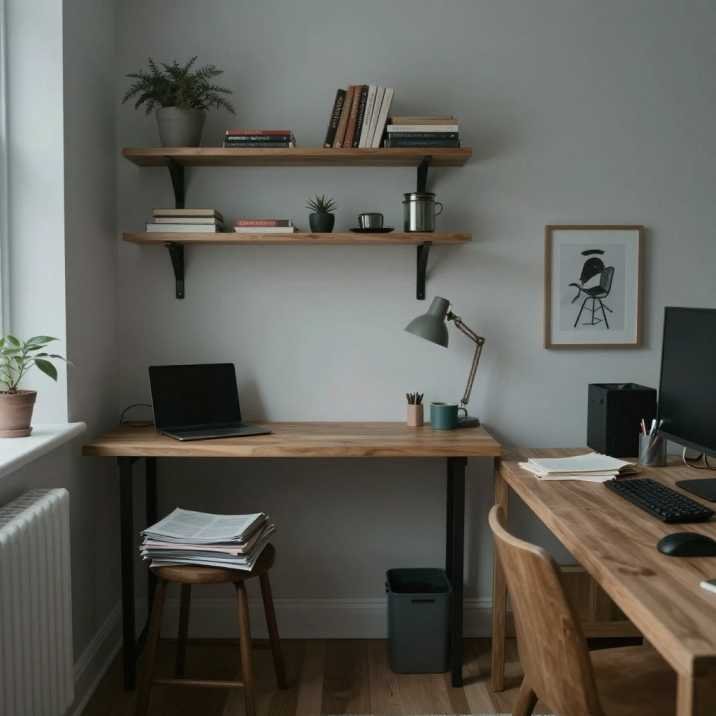
- Install slim floating shelves above desks for books and baskets.
- Use a pegboard (or a kitchen rail) for utensils, chargers, and small plants.
- Hang baskets or a shallow shelf near the entry for mail and keys.
Why it works: Vertical storage uses unused space and keeps surfaces clear—so even a tiny room feels larger.
2. Use the “dead” space under and behind things
Under-bed, under-sofa, and the backs of doors are storage goldmines. Rolling bins and slim boxes make seasonal clothes and rarely-used items accessible without taking up everyday space. Retailers now offer under-bed drawer systems designed to fit common bed frames.
Pro tip: measure clearance before buying. A bin that’s 4–6 inches tall often fits most platform beds and saves more than one bulky dresser would.
3. Choose furniture that double-dips
Swap single-purpose items for pieces that work harder: ottomans with hidden storage, fold-away desks, sofa beds, and stackable cubes that act as both bookcase and TV stand. Affordable modular systems can be reconfigured as your needs change, making them a great long-term buy. Recent product reviews show that cube shelving can double usable storage without feeling heavy in a small room.
Clever room-by-room micro-hacks
Entryway
- Wall-mounted slim shelves + a key bowl.
- Use a narrow shoe rack or stackable boxes to prevent door-blocking piles.
Kitchen
- Add a magnetic strip for knives and metal tools.
- Use shelf risers and labeled baskets for cans and spices (makes everything visible).
- Install a slim rolling cart that tucks between fridge and counter for overflow.
Bathroom
- Over-toilet shelving is a small footprint, high-impact win.
- Sticky hooks on the inside of cabinet doors hold brushes, wraps, and hair tools. Apartment organizing pros love these renter-friendly tricks.
Bedroom
- Under-bed storage + wardrobe dividers keeps closets breathable.
- A wall-mounted nightstand or floating ledge saves floor space and looks intentional.
Home office
- Vertical pegboards or wall grids organize chargers, headphones, and notes.
- Keep an “active projects” bin on your desk and clear it weekly.
Low-cost, high-impact DIYs (budget-friendly wins)
- Repurpose shoeboxes with DIY labels as drawer dividers.
- Add caster wheels to an existing shelf for a mobile storage unit.
- Paint clear storage bins to match your palette—uniform containers visually reduce clutter even when full.
If you want a step-by-step list of easy DIY builds, I can give templates for 5 projects (one is a rolling under-desk drawer that fits most desks).
What to buy — and what to avoid
Smart buys:
- Slim modular shelving (good resale and repurpose value)
- Clear, stackable under-bed boxes with lids
- Multi-function furniture (ottoman storage, nesting tables)
Avoid:
- One-off single-use organizers you’ll outgrow after a move.
- Too many opaque containers (they hide the problem). Mixing clear and uniform containers keeps visibility and aesthetics balanced.
For product ideas and measurement tips, major brands and editorial roundups are helpful starting points.
A short routine that keeps small spaces tidy
- Daily 2-minute reset: clear counters, put items back in their homes.
- Weekly 15-minute sweep: a quick pass through high-traffic areas.
- Monthly edit: one drawer, one shelf. Swap, donate, or toss items you didn’t touch.
These tiny habits beat marathon cleanups. The Spruce and organizing pros recommend frequent small resets rather than infrequent deep cleans.
Table: Fast checklist for your next weekend refresh
| Area | One-hour win | Tool to use |
|---|---|---|
| Closet | Declutter 10 items, add a hanging shelf | Fabric hanging shelf |
| Kitchen | Install a riser, label baskets | Shelf riser + labels |
| Bathroom | Add over-toilet shelf | Slim shelving unit |
| Living room | Replace bulky coffee table with storage ottoman | Ottoman with lid |
| Bedroom | Add two under-bed rolling bins | Under-bed storage boxes |
Sources & further reading
Credible sources helped shape these recommendations and product suggestions, including long-form how-tos and product roundups from leading home-organization sites and retailers. For deep dives, check recent small-space lists and product pages from editorial roundups and retailers.
Final thoughts — design with intention
Small-space organization is less about hiding everything and more about designing a life that fits your space. Keep decisions intentional: buy less, choose double-duty pieces, and make storage visible where possible. Your small home can feel calm, spacious, and very much yours.
Want a tailored plan?
If you’d like, I’ll create a one-page layout for your room with specific measurements and product links (under-$100 and under-$300 options). Or if you prefer DIY, I can give step-by-step plans for three easy builds.
Call to action: Share a photo or description of your smallest problem area (closet, entryway, or kitchen) and I’ll give 3 custom hacks you can do this weekend — and a shopping list if you want one.
Also Read: Guide to Protecting Your Online Privacy in Technology & Digital Life