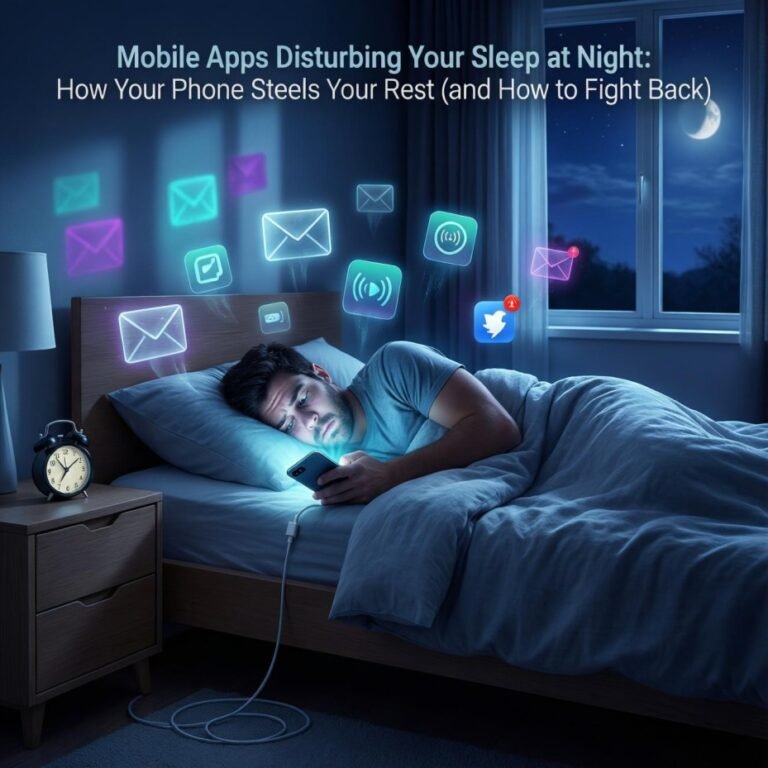

It’s 1:47 AM. The room is dark, your eyes are burning, and you swear this is the last TikTok video. But the algorithm knows you better than you know yourself—one more laugh, one more “just checking” scroll—and suddenly it’s 3 AM. Sound familiar? That innocent mobile app glowing on your nightstand isn’t just entertaining; it’s actively disturbing your sleep at night, hijacking your brain’s natural wind-down process.
In our hyper-connected world, bedtime has become battleground for attention. We’re not just tired—we’re exhausted from “revenge sleep procrastination,” where we sacrifice rest for one more hit of digital dopamine. The result? Poorer sleep quality, groggy mornings, and a cycle that’s harder to break than we admit. But understanding the culprits and their tricks gives us power to reclaim our nights. Let’s dive deep into how mobile apps disturb sleep, which ones are the biggest offenders, and fresh strategies that actually work.

How Mobile Apps Disrupt Your Sleep: The Science in Simple Terms
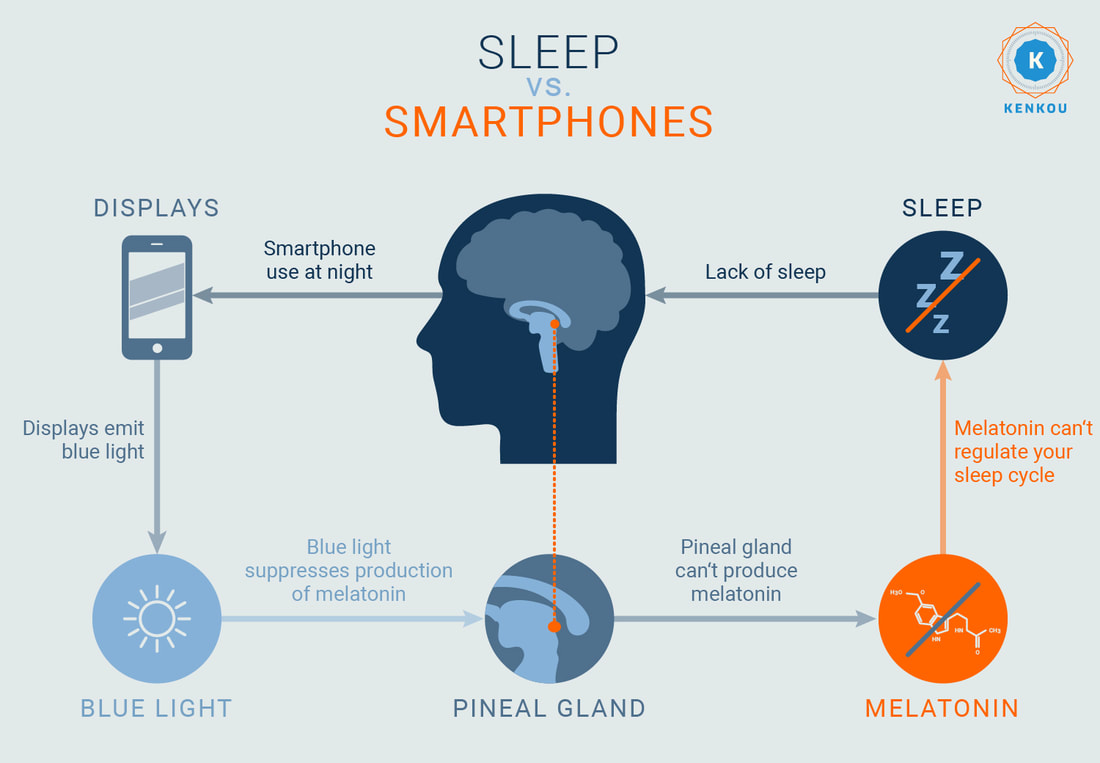
Sleep isn’t just “closing your eyes.” It’s a precise biological orchestra involving melatonin (the sleep hormone), circadian rhythms, and brainwave shifts into restorative stages like deep sleep and REM.
Mobile apps throw wrenches into this system in three main ways:
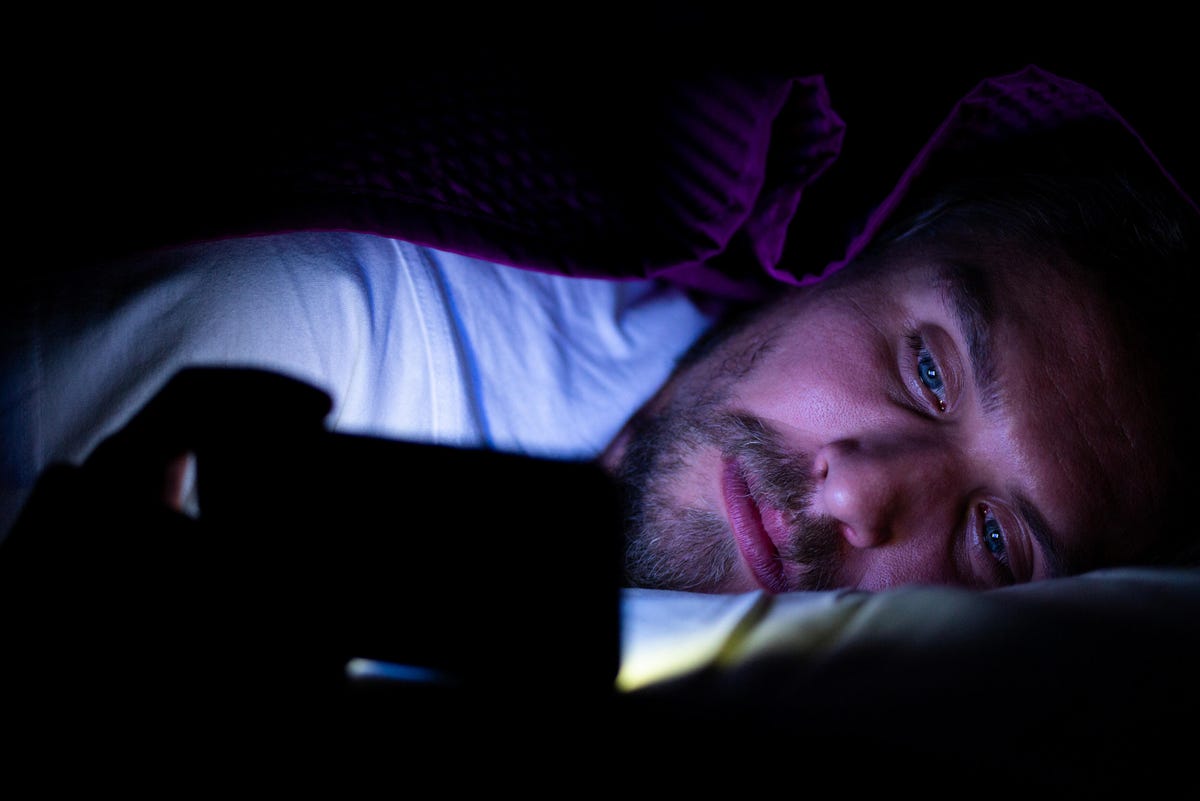
- Blue light exposure: Screens emit short-wavelength blue light that suppresses melatonin production far more effectively than other colors. Harvard research showed blue light can delay melatonin release twice as long as green light and shift your internal clock by hours. Even 30 minutes of unfiltered screen time after lights out correlates with longer sleep latency, more disturbances, and daytime sleepiness.
- Mental stimulation and dopamine loops: Scrolling isn’t passive. Infinite feeds, variable rewards (likes, comments, next-video surprises), and personalized algorithms mimic slot machines. This keeps your brain in alert, problem-solving mode instead of winding down.
Fifty & Fab Lifestyle Blog | Blogger Marlow Buckinghamshire …
- Notifications and interruptions: Even in “silent” mode, a single buzz or phantom vibration can jolt you from light sleep. Keeping your phone near the pillow links to higher sleep disturbances in multiple studies.
Recent data paints a stark picture: Each extra hour of screen time after bedtime raises insomnia risk by 59% and shortens sleep by about 24 minutes. Young adults and students suffer most, with excessive use doubling the odds of poor sleep quality.
The Worst Offenders: Which Mobile Apps Are Stealing Your Sleep?
Not all apps are equal. Some are engineered for maximum stickiness, especially at night when willpower is lowest.
A revealing Sleep Junkie survey of over 2,000 people highlighted “revenge sleep procrastination” (78% admitted to it) and ranked social media apps by their sleep disruption:
| App | Avg. Time to Fall Asleep | % of Sleep Cycle in REM | Key Disruptive Feature |
|---|---|---|---|
| TikTok | 67 minutes | 14% | Short videos + endless “For You” page |
| 58 minutes | 15.5% | Likes, Stories, dopamine from engagement | |
| Snapchat | 56 minutes | 16% | Ephemeral content + streaks |
| Twitter/X | 50 minutes | 18% | Real-time debates and notifications |
| 45 minutes | 19.5% | Infinite scroll + targeted emotional content |
TikTok tops the list because its algorithm delivers hyper-personalized, bite-sized dopamine hits that make stopping feel impossible. Instagram keeps you chasing validation. Even “harmless” news or email apps trigger anxiety loops with alerts about tomorrow’s tasks.
Fresh perspective: These aren’t accidental designs. App makers hire behavioral psychologists to exploit our evolutionary wiring for novelty and social approval. In 2026, AI-driven feeds are even more precise—knowing your exact boredom threshold or emotional triggers. It’s not laziness; it’s sophisticated manipulation meeting tired brains at their weakest moment.

Report shows how different social media applications affect your …
A Personal Wake-Up Call (and What It Taught Me)
Last year, I tracked my own habits during a particularly stressful period. I’d climb into bed intending to read, but one quick check of Instagram Stories turned into 45 minutes of mindless scrolling. My sleep tracker showed fragmented nights and reduced deep sleep. Mornings felt heavy, focus suffered, and irritability spiked.
The turning point? Realizing the apps weren’t just filling time—they were displacing recovery. One experiment: I moved my phone to another room for a week. The first two nights were tough (FOMO was real), but by night four, I fell asleep faster and woke naturally more refreshed. The insight? My brain needed permission to fully disengage, something push notifications never allow.
This isn’t unique. Millions experience the same subtle theft of rest, often without connecting the dots to specific mobile apps.
Key Insights: What the Latest Research Reveals
- Dose-dependent harm: Screen time ≥8 hours daily and ≥30 minutes in bed after lights out strongly predicts poor sleep, independent of other factors.
- REM robbery: Lower REM (critical for memory and emotional processing) after high-engagement apps explains next-day mood dips and brain fog.
- Broader health ripple effects: Chronic sleep disruption from mobile apps links to weakened immunity, higher stress hormones, impaired cognition, and even weight gain. In students and young professionals, it compounds academic or work pressure.
- Surprising nuance: Not all screen time is equal. Passive video (some YouTube) can be less disruptive than interactive social feeds, but any post-bedtime use displaces actual sleep time.
The good news? These effects are highly modifiable. Unlike many health challenges, this one sits in your pocket—and you control the off switch.
Breaking Free: Actionable Strategies to Stop Mobile Apps from Disturbing Your Sleep
You don’t need to go full digital detox (though some thrive on it). Smart, sustainable changes deliver big wins:
- Create a device curfew: Stop all screens 60–90 minutes before bed. Replace with paper books, journaling, or gentle stretching.
- Master your phone’s defenses:
- Enable Night Shift / blue light filter and auto-Dark Mode.
- Use “Bedtime” or “Focus” modes to silence non-essential notifications.
- Set app limits or grayscale mode (makes apps less appealing).
- Physically separate: Charge your phone outside the bedroom. Use a basic alarm clock instead.
- Replace the habit: Build a wind-down ritual—herbal tea, meditation apps (used mindfully, notifications off), or white noise without visuals.
- Leverage positive tech: Ironically, some mobile apps help when used correctly—guided sleep stories or ambient soundscapes—but treat them as tools, not endless feeds.
- Track and reflect: Use a simple journal or sleep app (ironically) to log pre-bed activities and notice patterns. Awareness alone reduces mindless use.
For deeper change, consider blue-light blocking glasses for unavoidable evening screen time, or apps that gamify reducing screen time.
Reclaim Your Nights Starting Tonight
Mobile apps disturbing your sleep at night isn’t inevitable—it’s a design choice meeting a modern habit. By understanding the mechanisms, recognizing the worst offenders like TikTok and Instagram, and implementing targeted protections, you can dramatically improve your rest.
Your body and mind will thank you with sharper focus, better mood, and genuine energy. The next time you reach for your phone at bedtime, pause and ask: Is this worth tomorrow’s fog?
What about you? Which mobile app is your biggest sleep thief—TikTok, Instagram, or something else? Share your experiences or favorite wind-down tips in the comments. Try implementing just one strategy tonight and notice the difference.
If you found this helpful, subscribe for more evidence-based insights on wellness, technology, and living better in our digital world. Sweet dreams—real ones—are waiting.
Also Read: Hidden Permissions in Mobile Explained Safeguard Your Privacy