
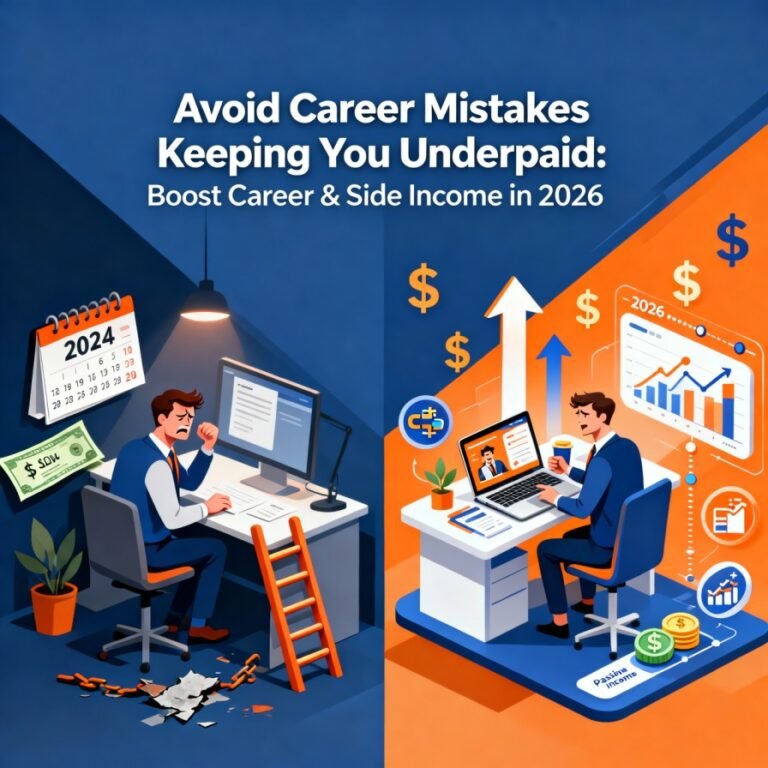

The Silent Salary Saboteur: Are You Making These Career Mistakes?
Picture this: You’ve poured years into your job, only to discover a colleague with similar skills—but who switched companies twice—earns 20% more. In 2026, with inflation steady and AI reshaping roles, millions of Americans are trapped in underpaid positions, missing out on potential career & side income growth. A Payscale survey reveals 68% of workers feel shortchanged, yet many overlook simple pitfalls that compound over time. Whether it’s skipping salary talks or ignoring skill upgrades, these errors can cost you thousands annually. Let’s dive in and turn things around.
Comparing the Cost: Mistakes vs. Smart Moves
To illustrate the impact, consider how common errors stack up against proactive strategies. Based on data from sources like the Bureau of Labor Statistics and LinkedIn, here’s a table breaking down potential earnings losses over five years for a mid-level professional earning $70,000 base salary. Assumptions include 3.5% average raises (per Payscale) and 15-20% boosts from job switches or negotiations.
| Mistake | Annual Impact Example | 5-Year Loss Estimate | Smart Alternative | 5-Year Gain Potential |
|---|---|---|---|---|
| Not Negotiating Salary | Accept $70K offer; no ask | $25,000 (missed 10% bump) | Research & counter; gain 10-15% | $50,000+ |
| Staying in One Job Long | 3% raise yearly | $15,000 (vs. market) | Switch every 2-3 years; 15% hikes | $75,000+ |
| Skipping Upskilling | Skills obsolete; no promo | $30,000 (stagnant pay) | Learn AI tools; 20% role upgrade | $100,000+ |
| Poor Networking | Isolated; missed opps | $20,000 (no referrals) | Build LinkedIn; side gigs | $40,000+ |
| Ignoring Side Income | Rely on salary only | $10,000 (no extras) | Freelance 5 hrs/week; $20/hr | $50,000+ |
This comparison, informed by Forbes and Investopedia reports, shows how inaction erodes wealth—while fixes like upskilling can amplify earnings amid economic shifts.
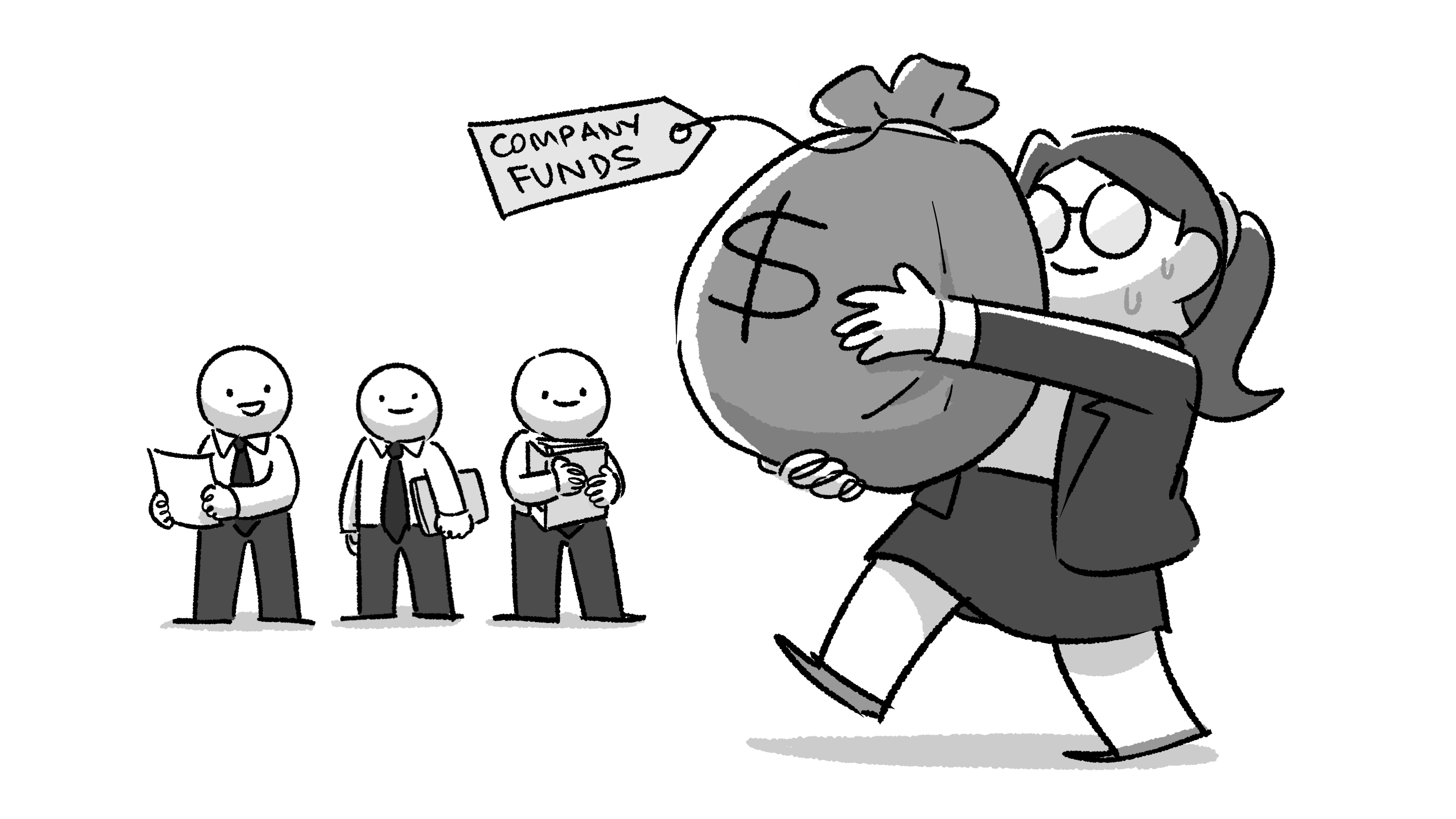
How I rid myself of the ’employee’s blindspot’
Key Insights: Unpacking the Mistakes Keeping You Underpaid
Drawing from 2026 reports by Payscale, Forbes, and the World Economic Forum, here are the top career blunders Americans make—and fresh ways to sidestep them. We’ll blend stats with real-world angles, like AI’s role in widening pay gaps.
Failing to Negotiate: The Quiet Wealth Killer
Over 59% of U.S. workers accept the first salary offer, per a Staffing Industry Analysts survey, often leaving $10,000+ on the table yearly. Women are hit harder, succeeding in negotiations only 4% of the time versus 15% for men. In 2026’s flat 3.5% raise environment, this compounds: A missed 10% hike at $70K means $35,000 lost over five years.
Unique insight: In the AI era, frame negotiations around “future-proof” value. One Instagram reel shared a story of a marketer undervalued due to a “junior” title mismatch—switching jobs revealed her true worth. Tip: Use tools like Glassdoor for benchmarks and practice scripts. For side income, negotiate freelance rates first to build confidence. Check our guide on freelance basics for starters.
Job Loyalty Over Leap: Sticking Around Too Long
Staying put might feel secure, but data shows internal raises lag market rates by 10-15%. Forbes notes that job-hoppers see 50% faster salary growth. In dying fields like computer programming (6% decline per BLS), loyalty accelerates underpayment.
Fresh perspective: Post-pandemic, remote work has blurred loyalty—yet many cling to it amid layoffs. A LinkedIn post highlighted a 15-year veteran earning less than a four-company hopper in the same role. Balance by setting “loyalty limits”: Aim to move every 3-5 years unless promoted. Tie to side income: Use downtime to build gigs, turning hobbies into $20K extras annually.

Is switching jobs every year a red flag? | Nesbert Njenje
Neglecting Upskilling: AI’s Silent Pay Cut
The IMF warns AI could negatively impact 60% of advanced-economy jobs, with entry-level roles hit hardest—11.7% U.S. workforce replaceable per MIT. Not upskilling? Expect stagnant pay; PwC links AI adoption to 56% wage premiums for skilled workers.
Perspective: It’s not just tech—trades like HVAC need smart tech knowledge too. A Brookings report critiques retraining limits, noting many reskill into vulnerable roles. Unique angle: View upskilling as “AI augmentation,” not replacement. For instance, a customer service rep learning AI chat tools boosted income 20%. Platforms like Coursera offer free certs; pair with side hustles like AI consulting for $100/hour.
Overlooking Networking and Visibility
LinkedIn’s 2026 skills report stresses communication as the top soft skill, yet many undervalue networks. Poor visibility leads to missed promotions, costing $20K yearly in overlooked raises.
Insight: In diverse workplaces, underrepresented groups face barriers—women in tech often network less due to biases. A fresh take: Use X (formerly Twitter) for micro-networking; one user shared landing a $15K side gig via threads. Build a personal brand on LinkedIn to attract opportunities, reducing underpayment risks.
Dismissing Side Income Streams
With 49% fearing pay won’t match living costs (Resume Now), relying solely on salary is risky. Gig economy stats show 48.5% workforce freelancing, yet many ignore it.
Balanced view: Critiques note gig instability, but diversification buffers main-job underpayment. Example: A teacher added $1,000/month tutoring online. Controversy: AI saturation drops some gig rates 40%, per Reddit—focus on niches like ethical AI ethics consulting.
Bonus Pitfall: Choosing the Wrong Path Early
BLS projects declines in roles like programmers (6%) amid AI. Entering dying professions underpay from the start.
Empathetic note: Economic shifts hit rural areas harder; trades offer resilience but physical tolls. Counter: Pivot early—wind tech roles grow 40%, blending skills with stability.
These insights, backed by BLS and Forbes, highlight how small shifts yield big gains. For more on AI impacts, see our AI jobs guide.
Turning Insights into Action
In 2026, avoiding these mistakes isn’t just about salary—it’s about thriving in career & side income. Start small: Research your worth today, network weekly, and upskill monthly. The evidence leans toward proactive moves yielding 20-50% more over a decade, though individual results vary amid debates on gig stability.
What’s one mistake you’ve made, and how will you fix it? Share below, subscribe for career tips, or join our free webinar on salary negotiation strategies!
Key Citations:
- Payscale: 2026 Salary Increases Preview
- Forbes: 5 Career Mistakes To Avoid This Year
- U.S. Bureau of Labor Statistics: Fastest-Growing Occupations
- LinkedIn: Top In-Demand Skills 2026
- World Economic Forum: Future of Jobs Report
- Investopedia: Are You Paid What You Deserve?
- Staffing Industry Analysts: Three in Five US Employees Did Not Negotiate Pay
- Resume Now: Financial Outlook Report