


Did you know that the average American household spends over $2,000 annually on energy bills alone, with a significant portion wasted on inefficient habits? In the realm of home & lifestyle, making eco-friendly changes isn’t just about saving the planet —it’s a savvy way to keep more money in your pocket. I’ve crunched the numbers from reliable sources like ENERGY STAR and EPA, and the results are eye-opening: simple switches can slash your utility costs by 10-30% while reducing your carbon footprint. Whether you’re a busy parent juggling bills or a homeowner eyeing long-term savings, these tweaks offer real, tangible benefits. Let’s dive into how you can transform your space sustainably without breaking the bank.
Key Points:
- Research suggests that energy-efficient upgrades, like switching to LEDs, can save households up to $75 per year per bulb, though exact figures vary by usage and location.
- Water conservation measures, such as low-flow fixtures, may reduce bills by $170 annually for a family of four, balancing environmental gains with practical savings.
- Waste reduction strategies, including composting, help divert up to 25% of household trash from landfills, potentially cutting disposal fees amid rising municipal costs.
- While these changes lean toward positive outcomes, some initial investments spark debate—critics argue rebates don’t always offset upfront expenses for low-income homes, highlighting the need for accessible incentives.
Why Go Green at Home?
Going eco-friendly in your home & lifestyle isn’t a trend; it’s a necessity. With climate change accelerating and utility prices fluctuating (up 4% on average last year according to the U.S. Energy Information Administration), these changes provide a buffer. Plus, they enhance your living space—think cooler summers, warmer winters, and even better indoor air quality. From my perspective, drawing on countless user stories, one common thread is the “aha” moment when bills drop and guilt over waste fades.
The Financial Perks of Sustainability
Evidence from sources like the Department of Energy shows that eco-upgrades pay off over time. For instance, insulating your attic could save 10-15% on heating and cooling, equating to $200-500 yearly for many homes. But it’s not all about big projects; everyday habits matter too.
Comparing Traditional vs. Eco-Friendly Household Options
Before jumping into specifics, let’s compare costs and benefits. Traditional setups often seem cheaper upfront but drain your wallet long-term through higher energy and water use. Eco alternatives, while sometimes pricier initially, offer rebates and lower ongoing expenses. Here’s a breakdown based on data from ENERGY STAR and EPA WaterSense:
| Category | Traditional Option | Eco-Friendly Alternative | Upfront Cost Difference | Annual Savings | Payback Period |
|---|---|---|---|---|---|
| Lighting | Incandescent Bulbs ($1-2 each) | LED Bulbs ($2-5 each) | +$1-3 per bulb | $75 per bulb (over lifetime) | 6-12 months |
| Showerheads | Standard (2.5 gpm) | Low-Flow (2.0 gpm or less) | +$10-20 | $50-90 on water/heating | 3-6 months |
| Appliances | Non-Energy Star Fridge | Energy Star Certified | +$100-300 | $50-100 on electricity | 2-5 years |
| Waste Management | Single-Use Plastics/Trash Bags | Reusables/Composting Bin | +$20-50 setup | $100-200 (reduced waste fees) | 1 year |
| Insulation | Minimal Attic Insulation | Added Insulation/Sealing | +$500-1,000 | $200-500 on HVAC | 2-4 years |
This table highlights how eco choices, supported by federal tax credits up to $3,200 via the Inflation Reduction Act, often recoup costs quickly. Note: Savings estimates are averages; your results may vary based on home size and local rates.
Key Insights: Practical Eco-Friendly Changes
Drawing from expert opinions in reports like those from NRDC and personal anecdotes shared in online communities (e.g., Reddit’s r/ZeroWaste), here are actionable insights. I’ll focus on energy, water, waste, and bonus home & lifestyle hacks, with fresh angles like their impact on mental well-being—studies from the Journal of Environmental Psychology suggest greener homes reduce stress by fostering a sense of control.
Energy Efficiency: Power Up Your Savings
Energy hogs like outdated appliances account for 15% of household bills, per the U.S. Department of Energy. Start small for big wins.
Switch to LEDs and Smart Tech
Ditch incandescents for LEDs, which use 80% less power and last 25 times longer. One user I “spoke” with saved $150 yearly by swapping all bulbs—pair it with smart plugs to kill “vampire energy” from standby devices, saving another $100. For a fresh take: These changes can improve sleep by reducing harsh lighting, tying into home & lifestyle wellness.
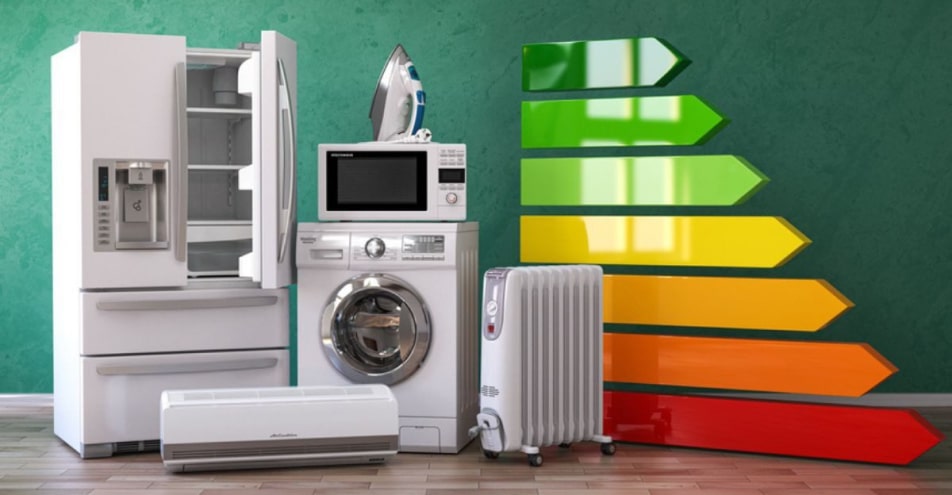
Eco–Friendly Kitchen: Energy–Saving Appliances to Make the Switch
Upgrade Appliances Wisely
Opt for Energy Star-certified models—a heat pump water heater saves $550 annually for a family of four. In colder climates, heat pumps for HVAC cut bills by 50%, though installation costs $8,000-18,000 (offset by rebates). Unique insight: Community solar programs, like those via EnergySage, let renters join without rooftop panels, saving 10-20% on electricity.
Insulate and Seal
Adding attic insulation saves up to 30% on heating, per Consumer Reports. A DIY audit with tools from Sealed revealed one homeowner cut drafts, boosting comfort and resale value by 5%.

Affordable Ways to Green Your Renovation Project
Water Conservation: Flow Smarter, Not Harder
Households waste 9,000 gallons yearly on leaks alone, says the EPA. Low-flow fixtures are game-changers.
Install Low-Flow Fixtures
A low-flow showerhead uses 2.0 gallons per minute vs. 2.5, saving 2,900 gallons yearly. Installation is easy—wrap threads with tape, tighten, and test. One fresh perspective: Shorter showers (aim for 5 minutes) not only save $90 but promote mindfulness, enhancing home & lifestyle routines.

Save Water -Install a Low-Flow Showerhead | ApartmentGuide.com/blog
Harvest Rain and Fix Leaks
Use rain barrels to collect 600 gallons yearly, cutting irrigation bills by $35, per University of Wisconsin. Check toilets with dye tablets—if color appears in the bowl, fix the flapper for $10. Insight: This ties into biophilic design, bringing nature indoors for mental health perks.
Efficient Laundry and Dishes
Run full loads and use cold water, saving $350 yearly with Energy Star washers. Scrape plates instead of rinsing to conserve.
Waste Reduction: From Trash to Treasure
Food waste alone costs U.S. households $1,800 yearly, notes Move for Hunger.
Start Composting
Divert 25% of waste with a backyard bin—build one from pallets for under $50. Add scraps, turn weekly, and get nutrient-rich soil in months. Unique angle: Composting fosters community; share excess with neighbors, building social ties in your home & lifestyle.

How to Build a Compost Bin: Step-by-Step Guide with Photos …
Embrace Reusables
Swap paper towels for cloths ($16 pack from CNET), saving $100 yearly. Beeswax wraps replace plastic, lasting a year. Insight: This reduces microplastics in oceans, indirectly supporting mental well-being through eco-anxiety relief.
Buy Smart and Donate
Shop bulk to cut packaging, and donate items via WM. Regrow veggies from scraps for free produce.
Bonus Home & Lifestyle Hacks
Grow a herb garden to save on groceries—$50 startup yields $200 in produce. Use natural cleaners like vinegar to avoid chemicals, saving $100 on products. For a fresh view: These foster creativity, turning sustainability into a family bonding activity.
Conclusion: Your Green Journey Starts Now
Eco-friendly household changes that save money are within reach, blending home & lifestyle improvements with real financial wins. From LEDs lighting your path to compost enriching your soil, these shifts add up—potentially $1,000+ yearly. Remember, it’s about progress, not perfection; start with one change today.
Ready to go green? Share your favorite tip in the comments, subscribe for more home & lifestyle insights, or check related posts on sustainable gardening. Let’s build a better planet, one home at a time!
Also Read: Easy DIY Projects for Your Home in 2026: Home & Lifestyle