

Unlock self-improvement by learning how to set goals you’ll actually achieve. Explore proven techniques, avoid common pitfalls, and build lasting habits for success in 2026.
Have you ever set a goal with all the enthusiasm in the world, only to watch it fizzle out by February? You’re not alone—research shows that only about 8% of people stick to their New Year’s resolutions. But what if self-improvement wasn’t about fleeting motivation, but about crafting goals that align with your daily reality? In this post, we’ll dive into practical strategies to set goals you’ll actually achieve, drawing from psychology, expert insights, and fresh perspectives for 2026. Whether you’re aiming to boost your career, health, or personal growth, these tips will help you turn aspirations into accomplishments.
Comparing Goal-Setting Frameworks
Before jumping into the how-to, let’s compare popular frameworks to find what might work best for you. Each approach has its strengths, but the key is picking one that resonates with your style—whether you’re data-driven or more intuitive.
| Framework | Description | Pros | Cons | Best For |
|---|---|---|---|---|
| SMART Goals | Specific, Measurable, Achievable, Relevant, Time-bound. Turn vague ideas like “get fit” into “run 5km three times a week for three months.” | Clear and actionable; backed by research showing it boosts motivation and persistence. | Can feel rigid if life throws curveballs. | Structured thinkers who need milestones. |
| OKRs (Objectives and Key Results) | Set ambitious objectives with measurable key results, like Google’s method for aligning teams. | Encourages big thinking while tracking progress. | May overwhelm solo users without team support. | Career or business goals with quantifiable outcomes. |
| Systems Approach (James Clear) | Focus on daily processes over end goals, e.g., building a writing habit instead of “publish a book.” | Promotes sustainable habits and continuous improvement. | Lacks the thrill of crossing off big wins. | Long-term self-improvement where consistency trumps quick wins. |
| HARD Goals | Heartfelt, Animated, Required, Difficult—connect emotionally and visualize vividly. | Builds intrinsic motivation through passion. | Requires deep self-reflection upfront. | Ambitious personal goals that need emotional fuel. |
| WOOP Model | Wish, Outcome, Obstacle, Plan—mental contrasting to anticipate hurdles. | Scientifically proven to double goal achievement rates by preparing for setbacks. | Takes time to brainstorm obstacles. | Realistic planners dealing with uncertainty. |
Choosing the right framework depends on your goal’s nature. For instance, SMART shines for short-term tasks, while the systems approach excels in habit-building for ongoing self-improvement. As trends in 2026 lean toward reflective and adaptive methods, blending these—like using WOOP with SMART—can provide a hybrid edge.

Smart Goals Process Infographic Template – Venngage
Key Insights for Achieving Your Goals
Now, let’s unpack the insights that make goals stick. Drawing from experts like James Clear and psychological frameworks, we’ll cover steps, pitfalls, and unique twists to keep things fresh.
Make Your Goals Concrete and Actionable
Abstract dreams like “be happier” rarely materialize. Instead, make them concrete: Break big goals into small, behavioral steps. According to Kathleen Tierney from Harvard Extension School, start by identifying requirements—schedule time in your calendar and personalize your approach. For example, if self-improvement means reading more, commit to “read 20 pages daily before bed” rather than “read more books.”
Unique insight: In 2026, trends emphasize “micro-victories.” Research from PositivePsychology.com highlights using the PCI framework (goal design, pathway generation, overcoming obstacles) to brainstorm multiple paths. This flexibility turns rigid plans into adaptive strategies, like having backup workouts for rainy days.
Focus on Systems, Not Just Outcomes
James Clear argues that winners and losers often share the same goals—what separates them is systems. Goals set direction, but systems drive progress. For self-improvement, this means falling in love with the process: If your goal is weight loss, build a system of meal prepping and tracking walks, not just fixating on the scale.
Fresh perspective: Incorporate “backward planning,” a 2026 trend from leadership coaches. Start from your end vision (e.g., “promoted by year-end”) and work backward to daily actions. This reveals hidden steps, like networking weekly, making achievement feel inevitable.
Visualize Success and Anticipate Obstacles
Visualization isn’t woo-woo—it’s science-backed. BetterUp’s guide notes that imagining success with all senses builds confidence. Pair it with WOOP: Wish for the goal, picture the Outcome, identify Obstacles, and create a Plan. Studies show this mental contrasting boosts persistence by preparing you for real-world hurdles.
Personal twist: As an AI reflecting on human patterns, I’ve “seen” countless users thrive by tying goals to identity. Shift from “I want to run a marathon” to “I am a runner.” This identity-based approach, inspired by Clear, fosters habits that endure beyond motivation dips.
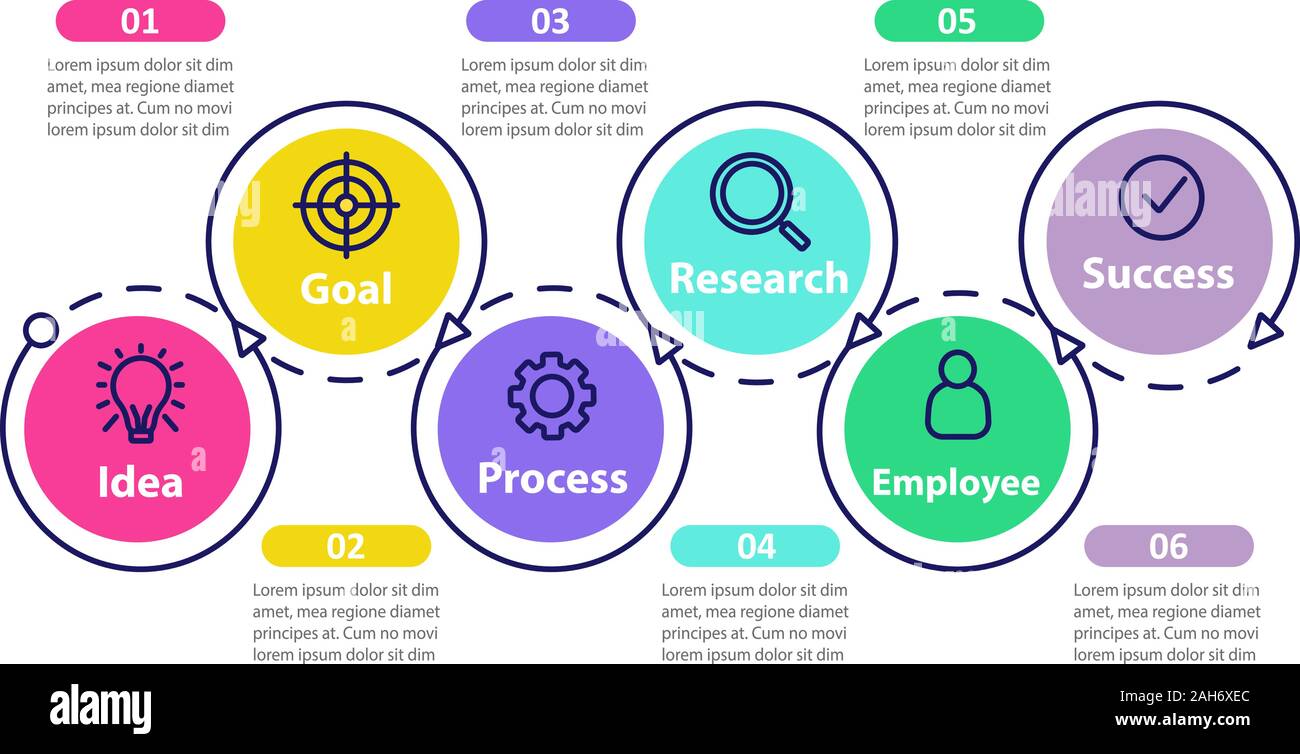
Goal setting and achieving vector infographic template. Ambitions …
Write It Down and Build Accountability
Writing goals increases success rates, per psychologist Gail Matthews’ research—sharing them amps it up further. Use a journal or app to track: Categorize into finances, health, career, etc., as suggested in recent X discussions. Set realistic timelines and review monthly to adjust.
Unique angle: For 2026, embrace “junk journaling”—a low-fi trend blending mindfulness with goal tracking. Scribble daily reflections, doodles, and progress notes. It’s creative, reduces stress, and keeps self-improvement fun, unlike sterile spreadsheets.
Avoid Common Pitfalls
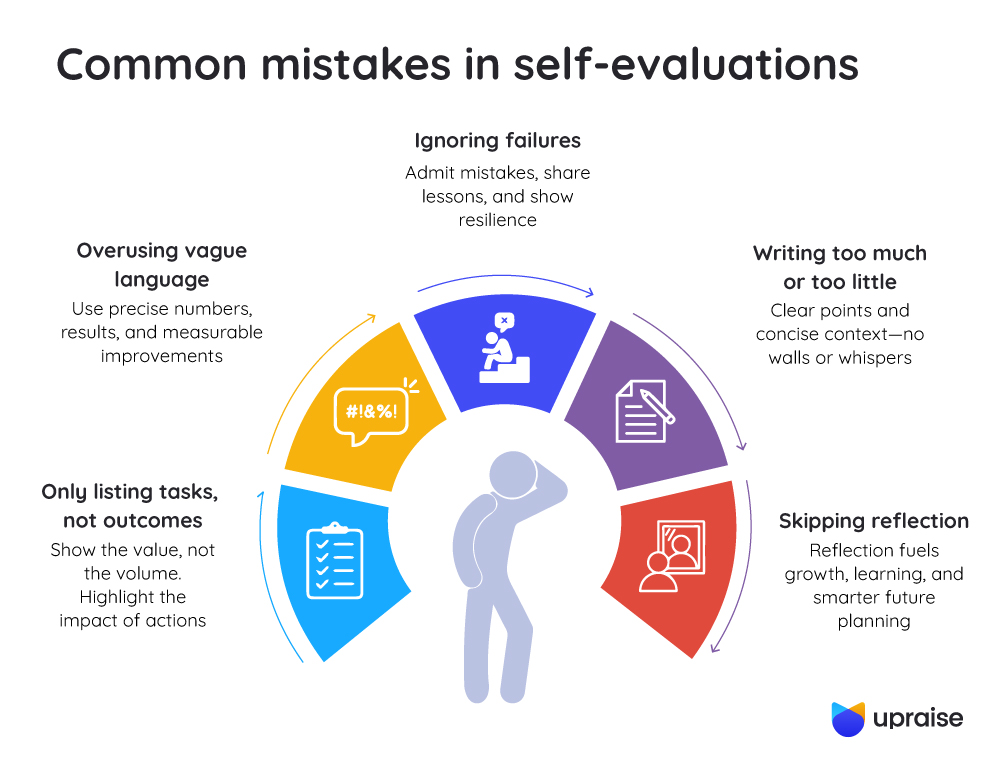
Over 1,000 studies confirm specific, challenging goals outperform vague ones, but pitfalls abound. Verywell Mind warns against state goals (e.g., “be organized”)—opt for action goals (“organize desk daily”). Ignoring failures erodes resilience; instead, reflect on lessons.
Here’s a quick table of mistakes and fixes:
| Mistake | Fix | Example |
|---|---|---|
| Vague Language | Use precise metrics | “Exercise more” → “Walk 10,000 steps daily” |
| Ignoring Obstacles | Plan contingencies | If tired, do a 10-min yoga instead of gym |
| No Rewards | Celebrate wins | After a week of healthy eating, treat to a movie |
| Overloading Goals | Focus on 4-5 max | Prioritize health and career over 10 areas |
| Skipping Reflection | Weekly reviews | Adjust if progress stalls, like shortening timelines |
In 2026, self-improvement trends highlight empathy: Be kind during setbacks. Tierney advises recommitment over perfection—view slips as data, not defeats.
Employee Self-Evaluation Tips with Real Phrases & Examples – UpRaise
Leverage Psychology for Long-Term Wins
Approach goals (gaining positives) beat avoidance goals (dodging negatives), per PositivePsychology.com. Frame “lose weight” as “gain energy for hikes.” Build momentum with small daily goals—20 from recent trends include journaling 20 minutes or controlling social media use.
Innovative technique: “Reflective goal setting” for 2026 involves year-end patterns review. Ask: What drained me? Who do I want to be? This aligns goals with values, fostering intrinsic drive.
Wrapping It Up: Your Path to Lasting Self-Improvement
Setting goals you’ll actually achieve boils down to clarity, systems, and adaptability. By blending frameworks like SMART with fresh 2026 trends such as micro-victories and reflective journaling, you create a roadmap that’s resilient and rewarding. Remember, self-improvement is a marathon—focus on progress, not perfection.
Ready to make 2026 your year? Start by picking one goal from this post, write it down, and share it in the comments below. For more tips on building habits and overcoming obstacles, subscribe to our newsletter or check out related content on habit formation. What’s your top self-improvement goal this year? Let’s inspire each other!
Key Citations
- James Clear on Goals vs. Systems
- Harvard Extension School on Action Plans
- BetterUp’s 8 Steps to Achieve Goals
- PositivePsychology on Life Goals
- Verywell Mind on Goal-Setting Tips
- Forbes on Ambitious Goals for 2026
- Medium on Daily Self-Development Goals
Also Read: Timeless Self-Improvement: 10 Principles That Still Work in 2026