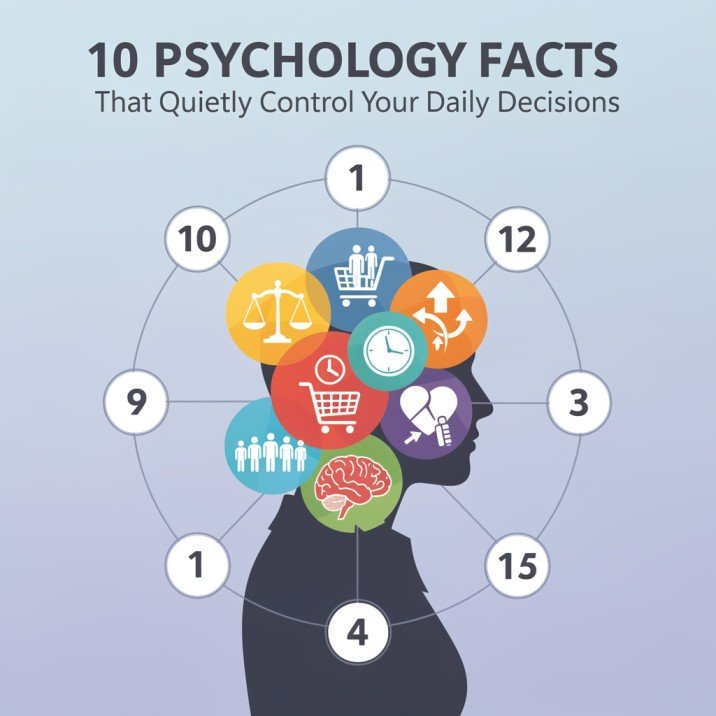

Have you ever caught yourself scrolling through social media, nodding along to posts that align perfectly with your views, while dismissing anything that challenges them? Or maybe you’ve stuck with a gym membership you never use, just because you’ve already paid for it? These aren’t random quirks—they’re rooted in psychology, the science that uncovers the invisible threads pulling at our choices. Every day, we make thousands of decisions, from what to eat for breakfast to how to respond in a heated argument. But beneath the surface, subtle psychological forces are at work, quietly steering us without our full awareness. In this post, we’ll dive into 10 such psychology facts, drawing from cognitive biases that experts have studied extensively. By understanding them, you can reclaim some control and make more intentional choices.
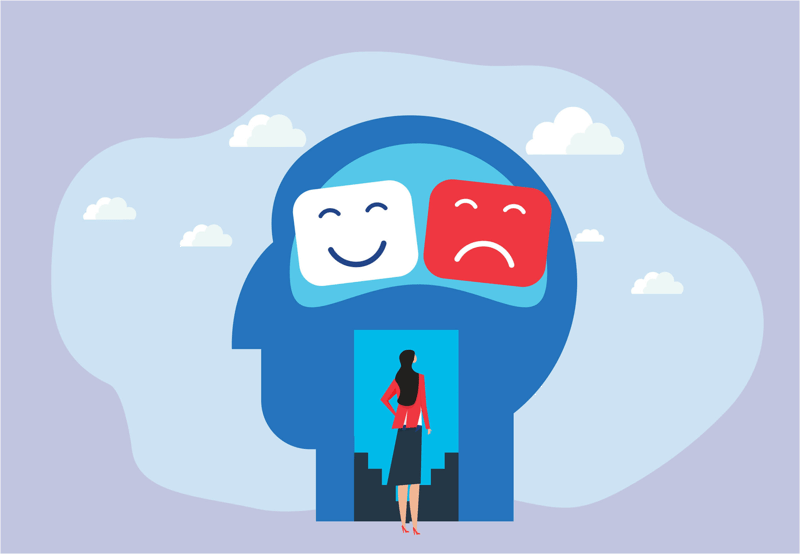
What Cognitive Bias Is and How To Overcome ItBefore we jump into the facts, let’s compare how our brains ideally should make decisions versus how they actually do. In a perfect world, we’d approach every choice rationally: weighing pros and cons, gathering all relevant data, and selecting the optimal path. This is what psychologists call System 2 thinking—slow, deliberate, and logical. But in reality, most daily decisions rely on System 1: fast, intuitive, and prone to shortcuts known as heuristics. These shortcuts save mental energy but often lead to biases, where emotions, past experiences, or social influences distort our judgment.For instance, rational decision-making might have you researching multiple phone plans before switching. Biased thinking? You stick with your current one because change feels risky, even if it’s costing you more. This comparison highlights why psychology facts matter—they reveal the gap between intention and action, helping us bridge it for better outcomes. Studies show that awareness alone can reduce bias by up to 20%, turning subconscious pulls into conscious choices.
10 Psychology Facts Shaping Your Choices
Here are 10 psychology facts, primarily cognitive biases, that quietly control your daily decisions. Each one comes with real-world examples, fresh perspectives, and tips to counter it. I’ve drawn from authoritative sources like Psychology Today to ensure accuracy.
1. Dunning-Kruger Effect: Overconfidence in Ignorance
Ever noticed how beginners in a hobby, like cooking, declare themselves experts after one successful dish? This psychology fact, the Dunning-Kruger Effect, explains why people with limited knowledge overestimate their abilities, while true experts often underrate theirs. It stems from a lack of self-awareness—novices don’t know what they don’t know.
In daily life, this bias sneaks into decisions like giving unsolicited advice on topics you’re barely familiar with, leading to poor outcomes. A fresh perspective: In the age of quick online tutorials, this effect amplifies, making us skip deep learning for superficial confidence. To counter it, seek feedback regularly. Personally, I’ve seen this in AI interactions—users assume mastery after a few prompts, but iterating with critiques sharpens true skill.
2. Confirmation Bias: Seeking What You Believe
We all love being right, but confirmation bias takes it further by making us favor information that supports our views while ignoring contradictions. This psychology fact influences everything from news consumption to relationship arguments, where you cherry-pick evidence to “win” rather than learn.
Think about shopping: You read glowing reviews for a gadget you want, skipping the negatives. A unique insight? Social media algorithms exploit this, creating echo chambers that polarize decisions. Research from Verywell Mind shows it affects 86% of people in political choices. Break free by actively seeking opposing views—try debating the other side internally before deciding.

How to Make Better Decisions: 10 Cognitive Biases and How to Outsmart Them
3. Self-Serving Bias: Blaming Others, Crediting Yourself
Success at work? It’s your hard effort. A project flops? Blame the team or circumstances. This self-serving bias protects our ego but skews decisions by avoiding personal accountability.
In everyday scenarios, it affects fitness goals—you credit a good workout to your discipline but blame a skipped session on “a busy day.” Fresh take: In remote work eras, this bias hides behind screens, reducing team cohesion. To mitigate, journal both wins and losses objectively, fostering balanced self-reflection.
4. Curse of Knowledge: Assuming Others Know What You Do
Once you learn something, it’s hard to imagine not knowing it—this curse of knowledge leads to miscommunications in decisions like explaining tasks to colleagues or teaching kids.
For example, a recipe might seem simple to an experienced cook, but baffles beginners. Unique perspective: In tech-heavy lives, this bias frustrates user experiences, like apps assuming tech-savviness. Counter it by testing explanations on novices; empathy maps can help visualize their viewpoint.
5. Hindsight Bias: “I Knew It All Along”
After an event, like a sports upset, we often think, “I saw that coming.” Hindsight bias rewrites our memory, making past decisions seem more predictable than they were.
This psychology fact impacts learning from mistakes, as we undervalue uncertainty. In investing, it leads to overconfidence in future picks. Insight: With instant news, this bias accelerates regret cycles. Combat it by documenting predictions beforehand— a decision journal reveals true foresight gaps.
6. Optimism/Pessimism Bias: Mood Swings Your Choices
Your emotional state colors decisions: Good moods breed optimism (overestimating success), bad ones pessimism (underestimating). This bias quietly controls risk-taking, like booking a spontaneous trip when happy.
Daily example: Shopping while upbeat leads to impulse buys. Fresh angle: Post-pandemic, fluctuating moods from global events amplify this, affecting mental health choices. Balance it with mood-neutral checklists for big decisions.
7. Sunk Cost Fallacy: Throwing Good After Bad
You’ve invested time in a boring book, so you finish it anyway. Sunk cost fallacy makes us continue unprofitable paths due to past commitments, ignoring future benefits.
In relationships or jobs, it traps us in unhappiness. Perspective: In subscription culture, this bias fuels unused memberships worth billions annually. Escape by focusing on opportunity costs—what else could you do instead?
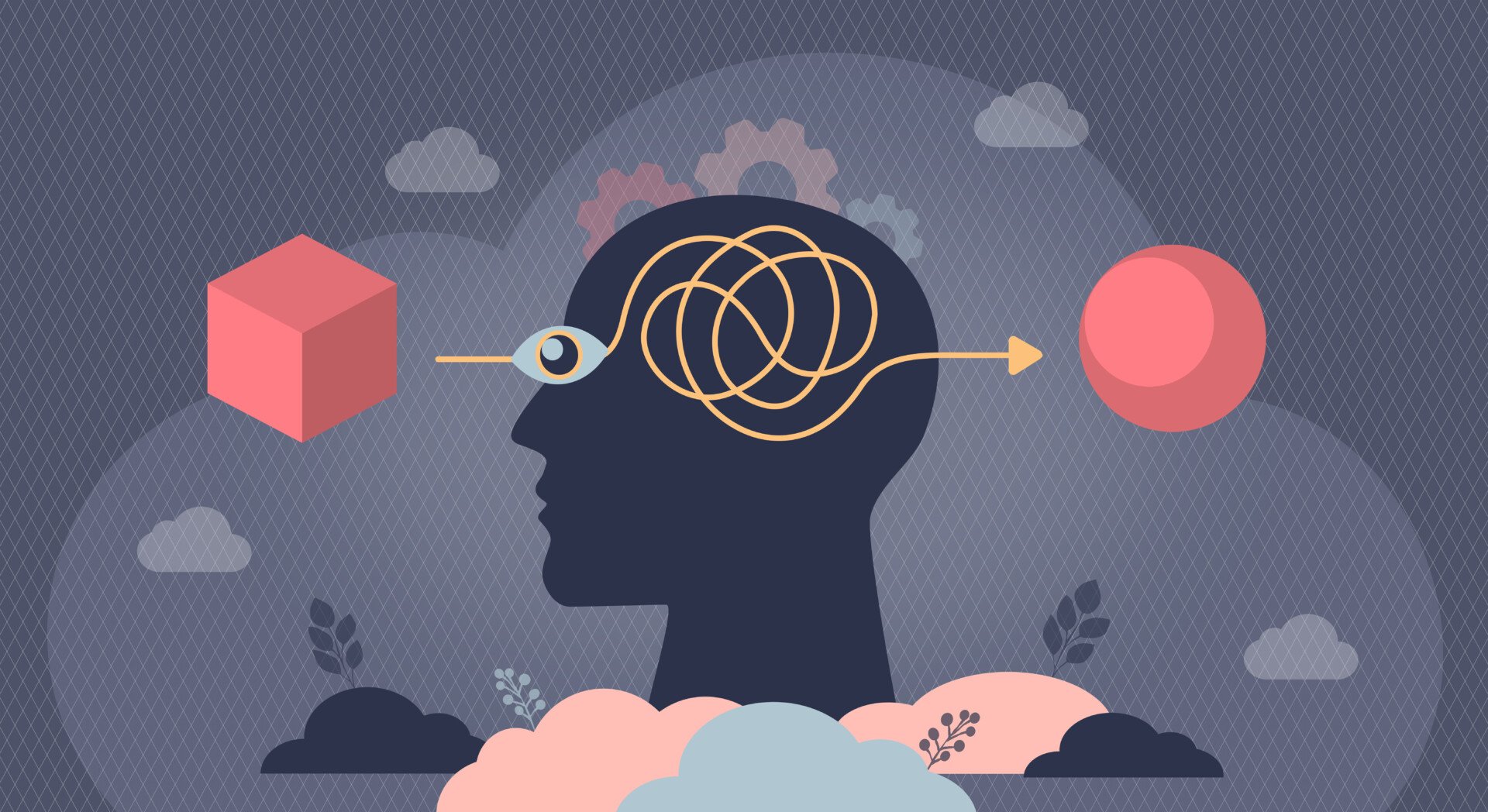
What Is Cognitive Bias? Types & Examples
8. Negativity Bias: Fear Weighs Heavier
Bad experiences stick more than good ones; negativity bias evolved for survival but now skews decisions toward caution, like avoiding new foods after one bad try.
It influences news consumption, amplifying anxiety. Unique insight: In positive psychology movements, countering this builds resilience. Tip: Practice gratitude journaling to rebalance focus on positives.
9. Decline Bias: Romanticizing the Past
Things were better “back then”—decline bias resists change, making us prefer familiar options over innovative ones.
This affects tech adoption or voting. Perspective: Amid rapid AI advances, it slows personal growth. Challenge it by listing pros of the new versus cons of the old objectively.
10. Backfire Effect: Digging In Deeper
When beliefs are challenged, we often cling harder—the backfire effect strengthens convictions under attack.
In debates, it escalates conflicts. Insight: Online misinformation thrives on this; education campaigns sometimes backfire. Overcome by pausing to reflect: “What if I’m wrong?”
| Psychology Fact | Daily Impact Example | Counter Strategy |
|---|---|---|
| Dunning-Kruger Effect | Overconfident advice-giving | Seek external feedback |
| Confirmation Bias | Biased news scrolling | Explore opposing views |
| Self-Serving Bias | Excusing personal failures | Objective journaling |
| Curse of Knowledge | Poor explanations | Test on beginners |
| Hindsight Bias | Regret minimization | Prediction documentation |
| Optimism/Pessimism Bias | Mood-driven risks | Neutral checklists |
| Sunk Cost Fallacy | Sticking with bad investments | Focus on future costs |
| Negativity Bias | Fear-based avoidance | Gratitude practice |
| Decline Bias | Resistance to change | Pros/cons lists |
| Backfire Effect | Entrenched arguments | Reflective pausing |
Conclusion: Harnessing Psychology for Better Decisions
These 10 psychology facts reveal how our minds quietly orchestrate daily decisions, often without our permission. From overconfidence to fear of loss, they highlight the human element in choice-making—flawed yet fascinating. By recognizing them, we can shift from reactive to proactive living, making choices that align with our true goals. Remember, psychology isn’t about perfection; it’s about awareness leading to growth.
What’s one psychology fact that resonates with your life? Share in the comments below, or subscribe to our newsletter for more insights on the mind’s hidden influences. Let’s make better decisions together—start by reflecting on today’s choices!