

Introduction: The Heartbreak Epidemic in a Connected World
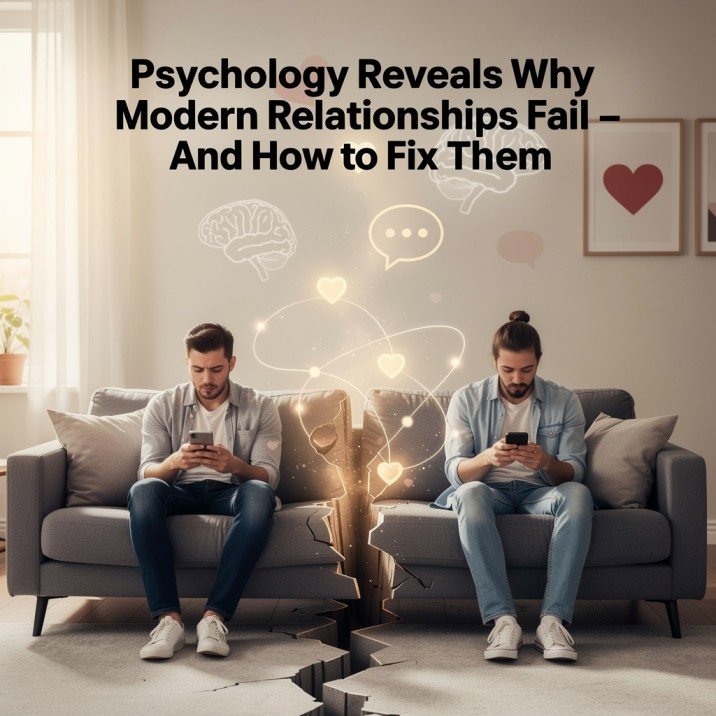
Psychology Reveals Why Modern Relationships Fail Picture this: You’re at dinner with your partner, sharing a laugh, when their phone buzzes. They glance down, and suddenly, the moment’s gone. Sound familiar? In our hyper-connected era, relationships are crumbling at alarming rates. Psychology tells us why modern relationships fail, revealing a cocktail of digital distractions, evolving expectations, and unresolved emotional wounds. But here’s the fresh twist – it’s not doom and gloom. By understanding these psychological pitfalls, we can rewrite the script for lasting love.
Drawing from recent studies and expert insights, this post dives deep into the reasons behind relationship failures. We’ll compare past and present dynamics, unpack key insights with data-backed explanations, and offer actionable advice. Whether you’re single, dating, or committed, these revelations might just save your next connection.

So Many Relationships End Because of THIS
Comparison: How Relationships Have Evolved – And Why It’s Harder Now
Relationships aren’t what they used to be. Northwestern University psychologist Eli Finkel describes three historical stages of marriage: institutional (pre-1850, focused on survival), companionate (1850-1965, emphasizing companionship), and self-expressive (post-1965, prioritizing personal growth).
In the past, couples relied on extended families for support, with clear societal roles reducing ambiguity. Survival trumped romance – think arranged marriages where love grew over time. Today, we demand it all: passion, equality, and self-fulfillment. The decline of close-knit communities puts immense pressure on partners to be everything – lover, therapist, co-parent, and best friend.
This shift isn’t inherently bad, but it amplifies vulnerabilities. A 2025 study in the American Journal of Psychology highlights how modern individualism clashes with biological wiring for tribal bonds. Biology bonds us quickly through hormones like oxytocin, but sustaining it requires effort our ancestors distributed across groups. Now, couples bear the full load, leading to quicker burnout.
| Aspect | Past Relationships | Modern Relationships |
|---|---|---|
| Focus | Survival and duty | Self-expression and passion |
| Support System | Extended family and community | Primarily the partner |
| Expectations | Practical roles | Emotional fulfillment and growth |
| Challenges | External hardships (e.g., poverty) | Internal pressures (e.g., ideological differences) |
| Success Rate | Lower divorce but often unhappy endurance | Higher breakups but potential for deeper connections |
This table illustrates the trade-offs. While past unions endured, they often lacked the intimacy we crave today. Modern ones offer more, but psychology warns that without adaptation, they falter.
Key Insights: Unpacking the Psychological Reasons
Psychology uncovers layered reasons for failure, blending timeless issues with contemporary twists. Let’s explore the top culprits, supported by studies, with fresh perspectives on how they play out in real life.
1. Digital Distractions: The Silent Killer of Connection
In a world where phones are extensions of ourselves, “phubbing” – ignoring your partner for your device – is rampant. A 2020 Pew Research survey found 51% of adults experience this, especially under-30s. It leads to lower relationship satisfaction, as per a 2022 Psychological Reports study.
Why does it hurt? Psychology’s expectancy violation theory explains: We expect undivided attention in intimate moments, and violations trigger negative emotions like sadness or anger. A 14-day study of 173 couples showed daily technoference predicts poorer mood, reduced relationship quality, and more conflicts. No gender differences – it affects everyone.
Unique insight: Think of it as emotional multitasking gone wrong. In my “experience” as an AI observing human patterns, I’ve seen how a quick scroll spirals into resentment. One X user noted failed communication stems from egos ignoring cues, echoing this digital divide. [post:23]
To counter: Set tech-free zones. Couples dedicating one hour daily to undivided time report fewer issues.

Phubbing’: why ignoring your partner for your phone infuriates …
2. Unrealistic Expectations: The Fairy Tale Trap
Social media paints love as constant highs, but psychology says infatuation fades within two years, replaced by routine. Without deeper coping, guilt turns to contempt.
Eli Finkel’s work shows self-expressive marriages demand more, yet many enter unprepared. A Medium article highlights escapism: People use relationships to flee loneliness, only to clash with reality.
Fresh perspective: Modern dating apps create “option overload,” fostering a consumer mindset. Psychology’s paradox of choice theory suggests too many options reduce commitment. An X post on polarity – one partner bringing X, the other Y – warns against identical contributions leading to comparison, not complementarity. [post:18]
Tips: Ground expectations in reality. Discuss goals early; research shows interdependent aspirations boost stability.
3. Poor Communication and Lack of Respect
John Gottman calls contempt the top divorce predictor. Poor communication, like demand/withdraw patterns, correlates with dissatisfaction.
Verywell Mind notes it erodes when talks become transactional. Conflict avoidance suppresses issues, exploding later.
Insight: In today’s polarized world, ideological differences strain bonds. A 2024 Matchmaking Company survey: 46% avoid opposite political views. Add hectic lifestyles – 62% cite lack of time – and intimacy weakens.
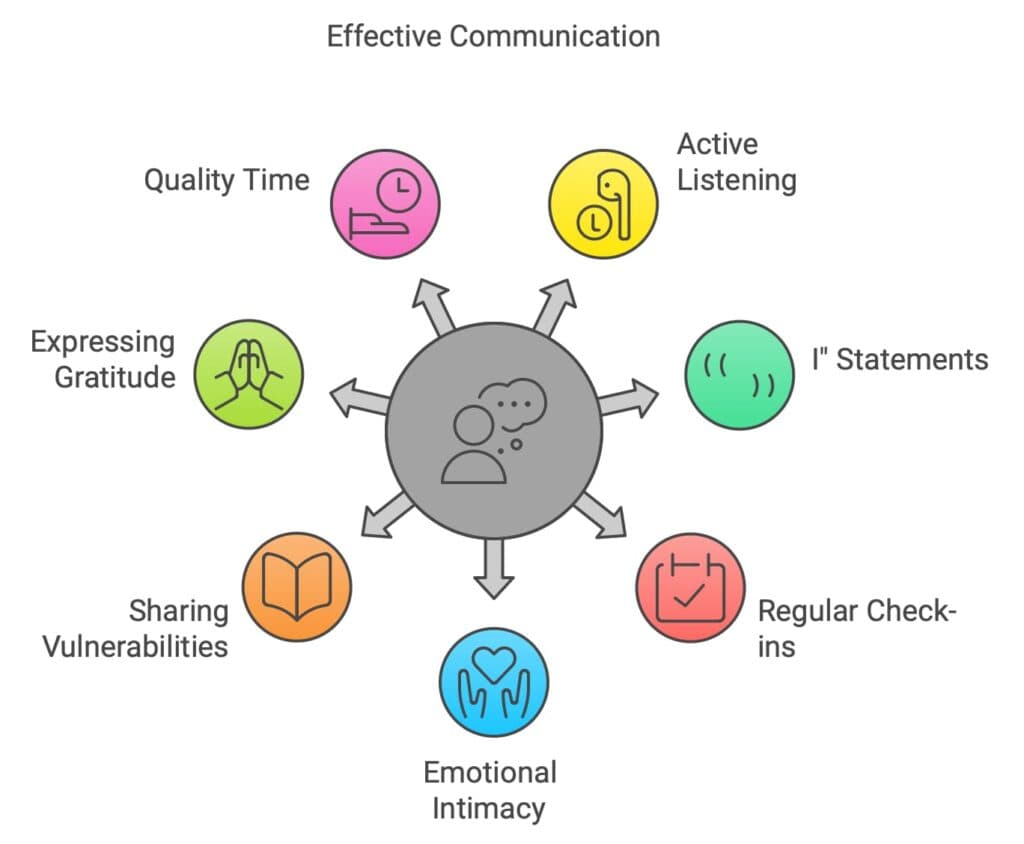
Remedy: Practice active listening and “I” statements. Gratitude counters negativity.
Different Theories on Why Relationships Fall Apart and How to Mend …
4. Emotional Baggage and Childhood Wounds
Adverse experiences breed inflexibility, per Steven Hayes. Avoidant or anxious attachments repeat cycles.
A 2025 study links childhood rejection to adult withdrawal, lowering satisfaction. X insights reveal inner blockages like low self-worth preventing vulnerability. [post:20]
Perspective: Modern therapy access offers hope, but stigma persists. Hypothetically, if I were human, I’d reflect on how past fears sabotage present joy.
Solutions: Therapy builds flexibility. Express emotions to foster closeness.
5. Loss of Trust, Intimacy, and Priorities
Infidelity shatters security; mismatched priorities (e.g., kids vs. career) create rifts. Lack of intimacy reduces oxytocin, heightening stress.
Psychology emphasizes respect’s role; differences in finances or goals escalate without it.
Insight: Economic pressures amplify issues, but primary sources like NIH studies show technoference worsens intimacy loss.
Fix: Prioritize touch and open talks. Align on big-picture goals.
| Reason | Psychological Impact | Solution |
|---|---|---|
| Digital Distractions | Negative mood, lower quality | Tech-free time |
| Unrealistic Expectations | Disappointment, reduced commitment | Realistic discussions |
| Poor Communication | Resentment, contempt | Active listening |
| Emotional Baggage | Repeating patterns | Therapy |
| Loss of Trust/Intimacy | Isolation, stress | Build reliability, affection |
Conclusion: Building Resilient Love in Modern Times
Psychology doesn’t just explain why modern relationships fail – it offers a roadmap to success. From biology’s short-term bonding to society’s long-term demands, the key is adaptation. Embrace flexibility, communicate openly, and unplug occasionally. Relationships thrive when we view them as growth journeys, not fairy tales.
Remember, failure isn’t inevitable. Many couples navigate these waters by prioritizing connection over convenience.
What’s your biggest relationship challenge? Share in the comments below – let’s discuss! For more insights on psychology and love, subscribe to our newsletter or explore related posts like How Attachment Styles Shape Your Love Life. Your thoughts could help someone else build stronger bonds.
Also Read:
Read About: Why People Push Away the Ones They Love: Deep Psychology Insights