

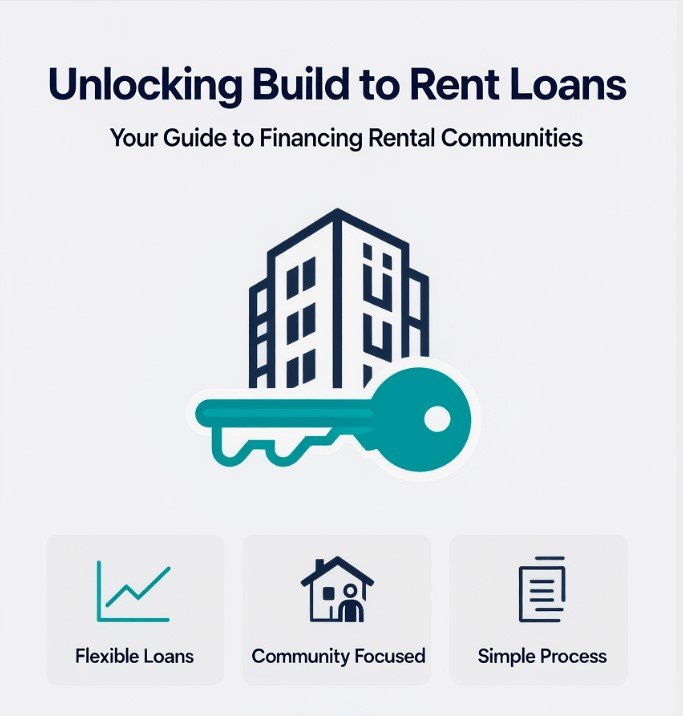
Imagine transforming a vacant lot into a thriving community of modern homes, where families enjoy backyards and amenities without the burden of ownership—all while generating steady rental income for you. In 2026, with housing shortages persisting and homeownership costs soaring, build to rent (BTR) loans are emerging as a game-changer for investors. These specialized loans aren’t just funding; they’re a pathway to tapping into a market where demand for quality rentals outpaces supply. But how do they work, and are they right for your next project? Let’s dive in.

Build-to-Rent Communities: Benefits and Best Practices – Rent …
What Are Build to Rent Loans?
Build to rent loans are tailored financing solutions designed for developers and investors building properties specifically for long-term rental, rather than sale. Unlike generic construction funding, these loans often combine ground-up building costs with options for permanent rental financing, making them ideal for single-family homes, townhomes, or entire communities.
In essence, a BTR loan covers everything from land acquisition to vertical construction, with terms that anticipate rental income as the payoff. For instance, lenders like Arbor Realty Trust offer floating-rate loans starting at 18-36 months, with up to 75% loan-to-cost (LTC) ratios. This means you could fund most of your project without tying up massive capital upfront.
Why the buzz? The U.S. faces a rental housing shortage, with single-family rentals hitting a seven-year high in occupancy at over 96% in 2025, per industry reports. BTR completions surged 466% from 2013 to 2022, and with mortgage payments often exceeding rents by hundreds of dollars monthly, more people are opting to rent premium homes.
Rental Property Financing Guide | Confiancebizsol
Comparison: Build to Rent Loans vs. Traditional Construction Loans
When weighing your options, it’s crucial to understand how BTR loans stack up against traditional construction loans. Both fund building projects, but their structures, terms, and end goals differ significantly.
Traditional construction loans are short-term (often 6-24 months) and focus solely on the build phase. They require interest-only payments during construction, but once done, you must refinance into a separate permanent mortgage—meaning two closings, extra fees, and potential rate hikes. Rates hover around 7-9%, with LTC up to 80-90%, but they’re riskier for lenders since there’s no immediate asset collateral.
BTR loans, on the other hand, are built for rental strategies. Many feature a “single-close” or “construction-to-permanent” setup, like those from American Heritage Lending, where the loan seamlessly transitions to long-term financing based on rental cash flow. This avoids a second closing, saving time and costs. Rates might start at 6.9-7.1% fixed, with extensions up to 36 months and LTC as high as 95%, per Builders Capital.
Here’s a quick breakdown:
| Aspect | Build to Rent Loans | Traditional Construction Loans |
|---|---|---|
| Structure | Often single-close; construction to perm | Two loans: construction then refinance |
| Terms | 18-36 months, extendable; recourse/non-recourse | 6-24 months; typically recourse |
| LTC/LTV | Up to 95% LTC, 75% LTV stabilized | Up to 90% LTC, 80% LTV |
| Rates | Floating or fixed (6.9-7.1%); interest-only during build | Higher (7-9%); interest-only |
| Focus | Rental income for underwriting (DSCR-based) | Build completion; personal credit heavy |
| Pros | Streamlined for rentals; sweat equity builds value | Flexible for any build; easier for small projects |
| Cons | Requires stabilization (tenants in place) | Double closing costs; refi risks |
From investor forums like Reddit, users note that for small BTR projects (e.g., 4-6 units), traditional loans might be easier via local banks, but BTR options shine for scaling, with one user sharing how a community bank offered 85% LTC on a mini-perm loan, blending both worlds.
In 2026, with policy shifts like Trump’s executive order exempting BTR from institutional buying restrictions, these loans could see even more uptake, as noted in HousingWire discussions.
Key Insights into Build to Rent Loans
Diving deeper, BTR loans offer unique advantages in today’s market, but they’re not without challenges. Let’s explore trends, strategies, and fresh perspectives to help you navigate.
Market Trends Driving BTR in 2026
The BTR sector is consolidating under major operators, with over 64,000 homes under construction and 139,000 in planning, per Matthews Real Estate. Starts may moderate, but demand from millennials and Gen Z—prioritizing flexibility and amenities like pet parks and smart homes—keeps pushing growth. Rent growth is forecasted at 2-5% nationally, with Sun Belt markets like Charlotte (5.7%) and Houston (4.9%) leading, according to Origin Investments.
Affordability is key: Renting a BTR home is often $440 cheaper monthly than owning, per Fannie Mae. Institutional interest persists, with over $3.4 billion in dedicated financing in 2025.
Pros and Cons of BTR Investments
BTR isn’t just about loans—it’s an investment strategy with distinct upsides and pitfalls.
:max_bytes(150000):strip_icc()/renting-vs-owning-home-pros-and-cons.asp-ADD-V2-2ce9de919eb94f62bd4e4c7a23010852.jpg)
Renting vs. Owning a Home: What’s the Difference?
Pros:
- Steady Income: Low turnover (newer properties mean fewer repairs); high occupancy at 96%.
- Appreciation Potential: Sweat equity from construction can yield 15-25% value boost, enabling BRRR (Build, Rent, Refi, Repeat) for near-100% funding.
- Diversification: Resilient to market dips; tax perks like depreciation.
- Scalability: Loans support multi-unit communities, with aggregation facilities from Encore Finance up to $75M.
Cons:
- Stabilization Delays: Need tenants for refinance; occupancy hurdles can extend timelines.
- Higher Initial Costs: Upfront equity (15-20%) and construction risks like delays.
- Market Sensitivity: Oversupply in some areas could cap rent growth.
- Policy Risks: While exempt from bans, broader regulations could impact.
From a YouTube deep-dive on BTR financing, one insight: Optimize unit mixes (e.g., more 2-bedrooms at $1,400/month) to boost NOI and DCR to 1.71, improving lender appeal and returns to 61% cash-on-cash.
Tips for Securing and Maximizing BTR Loans
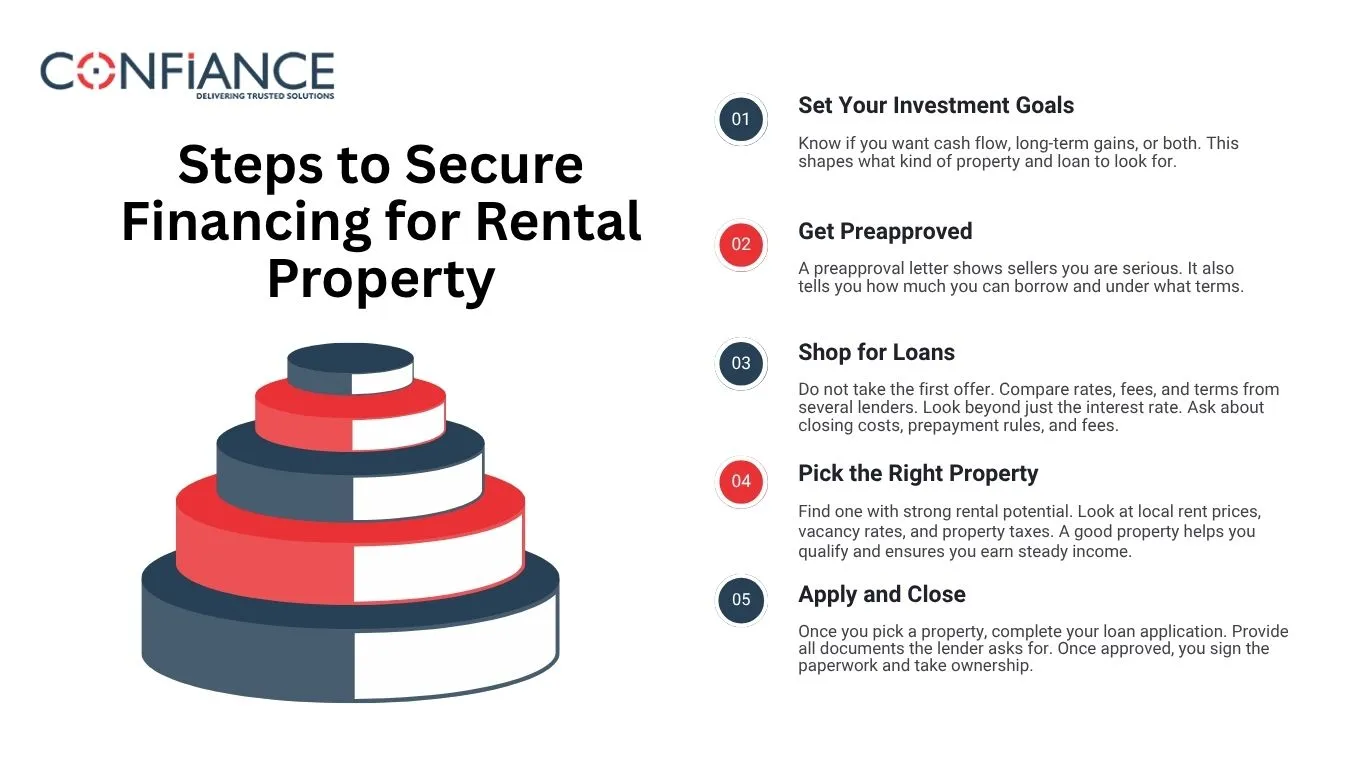
Start with pre-approval to gauge borrowing power. Focus on DSCR (Debt Service Coverage Ratio) of 1.25-1.3, where rental income covers payments. For small projects, Reddit advice suggests short-term construction then refi to 30-year multi-family loans at 80% LTV.
Unique perspective: In a post-Trump era, BTR developers are “big winners,” as X users like @SeanUyehara note, with institutions shifting to ground-up builds. Pair this with tools like Rehab Valuator for projections.
For depth, consider a 2-step process from Dominion Financial: Ground-up loan (90% LTC, no appraisal) then DSCR refinance (cash-out for scaling).
Wrapping Up: Is a Build to Rent Loan Your Next Move?
Build to rent loans bridge the gap between ambition and execution, offering investors a smart way to capitalize on rental demand amid housing challenges. With flexible terms, high leverage, and market tailwinds, they provide a fresh angle on real estate—turning builds into lasting assets. But success hinges on thorough planning, from DSCR metrics to tenant strategies.
Ready to explore? Check out lenders like CoreVest Finance for your project, or consult a financial advisor. Share your thoughts in the comments—have you dipped into BTR? Subscribe for more insights on real estate trends!
Key Citations:
- Arbor Realty Trust
- Dominion Financial Services
- Builders Capital
- Matthews Real Estate
- HousingWire
- Origin Investments
- Fannie Mae
- Encore Finance
- American Heritage Lending
- CoreVest Finance
Also Visit: The-30-fitness-shift-its-not-about-more-effort-its-about-smarter-habits