


The 30+ Fitness Shift: It’s Not About More Effort, It’s About Smarter Habits
Let’s be honest: your 30th birthday often comes with an uninvited guest. It’s not just wisdom and self-assurance—it’s the subtle, undeniable sense that your body’s operating manual has been quietly rewritten. That weekend pizza might linger a little longer on the waistline. Recovery from a pickup basketball game feels more like a project management task. The metabolism that once roared like a jet engine now idles like a sensible hybrid.
But here’s the empowering truth discovered by millions of Americans navigating this decade: this isn’t a decline; it’s a transition. The chaotic, all-or-nothing fitness of your 20s gives way to something far more powerful and sustainable: intentional, daily health habits. Fitness after 30 isn’t about punishing workouts; it’s about strategic, consistent rituals that compound over time.
Based on trends observed by organizations like the American College of Sports Medicine and countless personal testimonials, here are the 10 daily habits that form the cornerstone of lasting fitness and vitality after 30.
1. They Prioritize Protein at Every Meal (Yes, Even Breakfast)
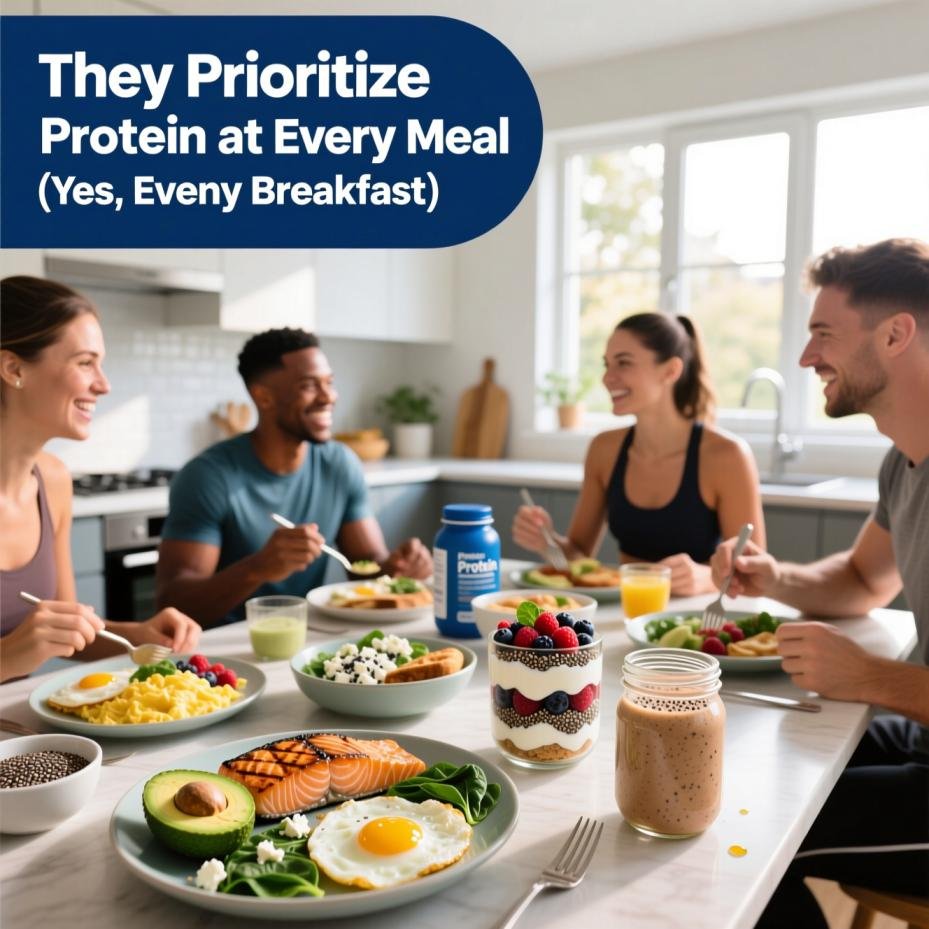
Gone are the days of a carb-heavy bagel or cereal for breakfast. The post-30 body is in a constant, subtle battle against sarcopenia—the age-related loss of muscle mass, which slows metabolism.
- The Habit: Incorporating a high-quality protein source into every meal. Think eggs or Greek yogurt at breakfast, chicken or lentils at lunch, fish or tofu at dinner.
- The Science: Protein increases satiety, reduces cravings, and provides the essential amino acids needed to repair and maintain muscle, especially important as hormonal shifts begin. The International Society of Sports Nutrition highlights the importance of distributed protein intake for muscle protein synthesis.
- Pro Tip: A simple shift. Instead of a giant bowl of pasta, make it a side dish to a grilled chicken breast. Your energy levels and body composition will thank you.
2. They Schedule Movement Like a Crucial Meeting

“I’ll work out if I have time” is a recipe for failure. Life after 30 is typically filled with career and family demands that will always fill any empty time slot.
- The Habit: Blocking out exercise on the calendar with the same non-negotiable status as a doctor’s appointment or a key work presentation.
- The Mindset Shift: Exercise is no longer optional “me-time”; it’s foundational infrastructure for your life. It’s what gives you the energy, patience, and clarity to be good at your job and present for your family.
- Pro Tip: Lay out your workout clothes the night before. The reduced friction makes following through on that 6 AM calendar alert infinitely easier.
3. They Embrace “Non-Exercise Activity Thermogenesis” (NEAT)

This is the secret weapon. NEAT is the energy expended for everything that is not sleeping, eating, or sports-like exercise. After 30, a sedentary job can crater your daily calorie burn.
- The Habit: Consciously accumulating movement throughout the day.
- The Routine: A 5-minute walk every hour (set a timer), taking phone calls while walking, using a standing desk, parking at the back of the lot, doing a set of bodyweight squats while waiting for the coffee to brew.
- The Impact: According to research, NEAT can vary by up to 2,000 calories per day between two similarly sized individuals. It’s the difference between a sluggish and a revved metabolism.
4. They Practice Strategic Hydration

Thirst signals weaken with age, and dehydration is often mistaken for hunger or fatigue. Proper hydration is critical for joint lubrication, cognitive function, and nutrient transport.
- The Habit: Starting the day with a large glass of water before coffee and carrying a reusable water bottle as a constant companion.
- The Rule: Many follow the “half-your-body-weight in ounces” guideline as a baseline, increasing with activity and heat.
- Pro Tip: If plain water is a chore, infuse it with citrus, cucumber, or mint. The goal is consistent sipping, not periodic gulping.
5. They Focus on Sleep Quality Over Just Quantity

Pulling all-nighters becomes a form of self-sabotage after 30. Sleep is when your body performs crucial repair work—muscle recovery, hormone regulation (like cortisol and growth hormone), and memory consolidation.
- The Habit: Protecting the 60-minute “pre-sleep” window. This means a digital sunset—dimming lights, putting phones on Do Not Disturb, and avoiding stimulating content.
- The Science: The Sleep Foundation notes that poor sleep is directly linked to increased hunger hormones (ghrelin) and decreased satiety hormones (leptin), making weight management an uphill battle.
- Pro Tip: Consistency is key. Waking up and going to bed at roughly the same time, even on weekends, regulates your circadian rhythm more powerfully than any supplement.
6. They Strength Train—It’s Non-Negotiable

While cardio is great for heart health, strength training is the ultimate anti-aging tool for your musculoskeletal system. It’s the most direct way to combat muscle loss, boost metabolic rate, and preserve bone density.
- The Habit: Incorporating resistance training 2-3 times per week. This doesn’t mean becoming a bodybuilder; it means using dumbbells, resistance bands, or bodyweight to challenge muscles.
- The Result: A body that is functionally strong for life—able to lift kids, carry groceries, and avoid injury. It builds the “armor” that keeps you independent and active.
7. They Master the Art of the “Healthy 80%”

Perfection is exhausting and unsustainable. The fittest Americans over 30 operate on a principle of consistency, not purity.
- The Habit: Eating nourishing, whole foods around 80% of the time, and mindfully enjoying the other 20% for social gatherings, favorite treats, and life’s pleasures.
- The Psychology: This eliminates the “forbidden fruit” effect and the subsequent binge-restrict cycle that plagues all-or-nothing dieters. It’s a lifelong strategy, not a temporary fix.
8. They Actively Manage Stress, Not Just “Power Through”

Chronic, unmanaged stress elevates cortisol, a hormone that, among other things, promotes abdominal fat storage and breaks down muscle tissue. The “grind” mentality becomes physiologically costly.
- The Habit: Building daily, small stress-reset rituals.
- The Toolkit: This could be 10 minutes of meditation using an app like Calm, deep belly breathing before a stressful meeting, a walk in nature, or journaling. The goal is to discharge stress, not just accumulate it.
9. They Listen to Their Body (And Respect “Off” Days”)
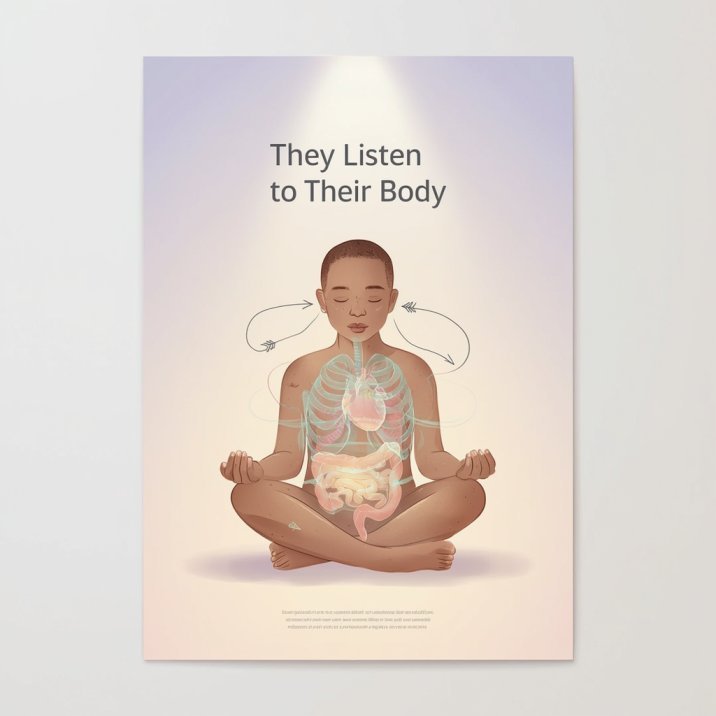
Ignoring a twinge in your 20s might mean a sore muscle; ignoring it in your 30s can mean a torn ligament. Recovery is now a proactive part of fitness, not a sign of weakness.
- The Habit: Distinguishing between laziness and legitimate fatigue. They aren’t afraid to swap a high-intensity workout for gentle yoga, a long walk, or even a full rest day when needed.
- The Payoff: This habit prevents burnout and overuse injuries, creating a fitness practice that can last for decades, not just months.
10. They Cultivate a “Fitness-Friendly” Social Circle

Your environment dictates your behavior. After 30, the friends who only want to meet for bottomless brunch can subtly undermine your goals.
- The Habit: Intentionally connecting with people who value vitality. This might mean joining a running club, finding a workout buddy, or simply suggesting a hike with friends instead of only happy hours.
- The Power: Social accountability and shared positive experiences make healthy living enjoyable and embedded in your lifestyle, not a solitary chore.
The Habit Integration Matrix: Start Small, Think Big
Trying to overhaul everything at once is overwhelming. Use this table to start with one foundational habit and build from there.
| Habit Category | Beginner Step (Week 1-2) | Advanced Integration |
|---|---|---|
| Nutrition | Add protein to your breakfast. | Meal prep lunches to control macros. |
| Movement | Schedule three 30-min walks. | Follow a structured 3-day strength program. |
| Recovery | Implement a 30-min phone-free buffer before bed. | Track sleep cycles and optimize bedroom environment. |
| Mindset | Practice 5 mins of deep breathing daily. | Schedule quarterly physical therapy or massage. |
Conclusion: It’s a Marathon, Not a Sprint
The ultimate health hack after 30 is this: release the need for rapid, dramatic transformation. The goal is not to reclaim your 25-year-old body, but to build a resilient, energetic, and strong version of your current self.
These ten habits aren’t a punitive regimen; they are acts of self-respect. They are the daily investments that yield compounding returns in energy, confidence, and longevity. Start with one. Nail it. Then add another. This is how you don’t just age, but how you upgrade.
🔗 Internal link suggestions:
Read also: “Why Digital Detox Is the New Self-Care”
Related: “How to Reduce Screen Time Without Quitting Social Media”